

How does blushing change with puberty?
Nov 24, 2025
Blushing is a natural physiological response that is often associated with feelings of embarrassment, shyness, or excitement. It occurs when blood vessels in the face dilate, causing the cheeks to turn red. Puberty is a significant period in a person's life marked by numerous physical and hormonal changes, and these changes can have a notable impact on blushing. As a Blush supplier, I have a unique perspective on how these changes in blushing during puberty can also influence the demand and use of cosmetic blushes.
Physiological Changes during Puberty and Blushing
Puberty is a time of rapid hormonal changes. The body starts producing higher levels of sex hormones such as estrogen in females and testosterone in males. These hormones play a crucial role in the development of secondary sexual characteristics, but they also affect the body's physiological responses, including blushing.
One of the primary ways hormones impact blushing is through their effect on the autonomic nervous system. The autonomic nervous system controls involuntary bodily functions, and the sympathetic branch of this system is responsible for the "fight - or - flight" response. During puberty, hormonal fluctuations can make the sympathetic nervous system more sensitive. As a result, adolescents may find themselves blushing more easily and more intensely than they did before puberty.
For example, a simple compliment in a social setting might trigger a more pronounced blushing response in a pubescent individual compared to a pre - pubescent child. This is because the heightened hormonal state makes the blood vessels in the face more likely to dilate in response to emotional stimuli.
Another factor is the development of the skin during puberty. The skin becomes oilier as the sebaceous glands become more active. This change in skin texture can also affect how blushing appears. Oily skin may make the blush look more shiny and spread out, while drier skin may show a more concentrated and defined blush.
Psychological and Social Factors
Puberty is also a time of significant psychological and social development. Adolescents become more self - conscious about their appearance and social status. They are more aware of how they are perceived by their peers and society in general. This increased self - awareness can lead to more frequent blushing.
For instance, the fear of being judged or embarrassed in a social situation can cause an adolescent to blush. A student giving a presentation in front of the class may blush due to the pressure of performing well and the fear of making a mistake. Social media and the constant need to present a perfect image can also contribute to this self - consciousness and subsequent blushing.
On the other hand, some adolescents may try to hide their blushing. They may feel that blushing makes them look weak or less confident. This is where cosmetic blushes come into play. Cosmetic blushes can be used to either enhance or mask the natural blushing.
The Role of Cosmetic Blushes
As a Blush supplier, I have observed how the changes in blushing during puberty have influenced the demand for different types of blushes.
Enhancing Natural Blush
Some adolescents embrace their natural blushing and use cosmetic blushes to enhance it. For those with a light natural blush, a Single Blush Stick can be a great option. It provides a concentrated and long - lasting color that can make the natural blush more prominent. The stick form is easy to apply, making it suitable for on - the - go touch - ups, which are often necessary for adolescents with busy school and social lives.
The Cream Blush Shimmer is another popular choice. The shimmer effect can add a youthful and radiant look to the cheeks, enhancing the natural blushing and giving the skin a healthy glow. It is especially suitable for those with oily skin as the cream formula can blend well with the natural oils on the skin.
Masking Natural Blush
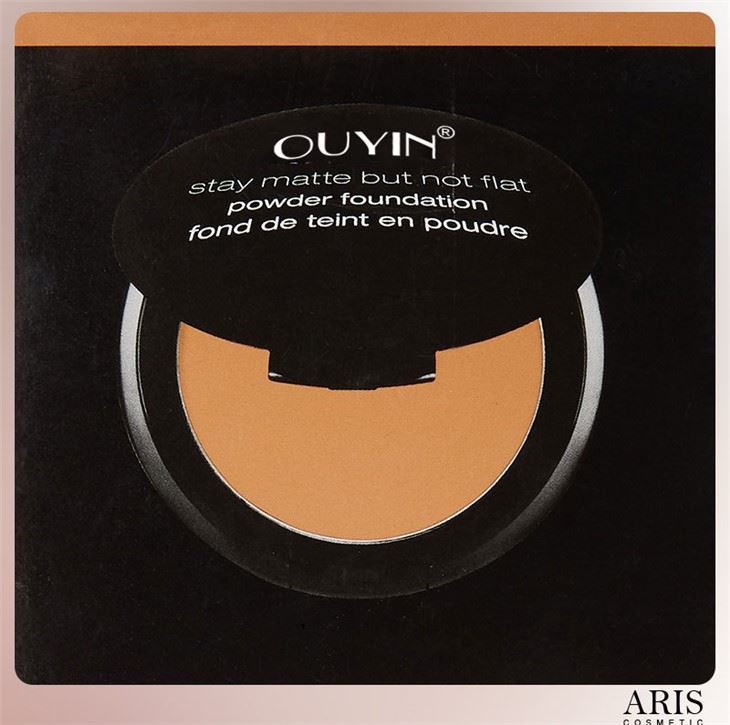
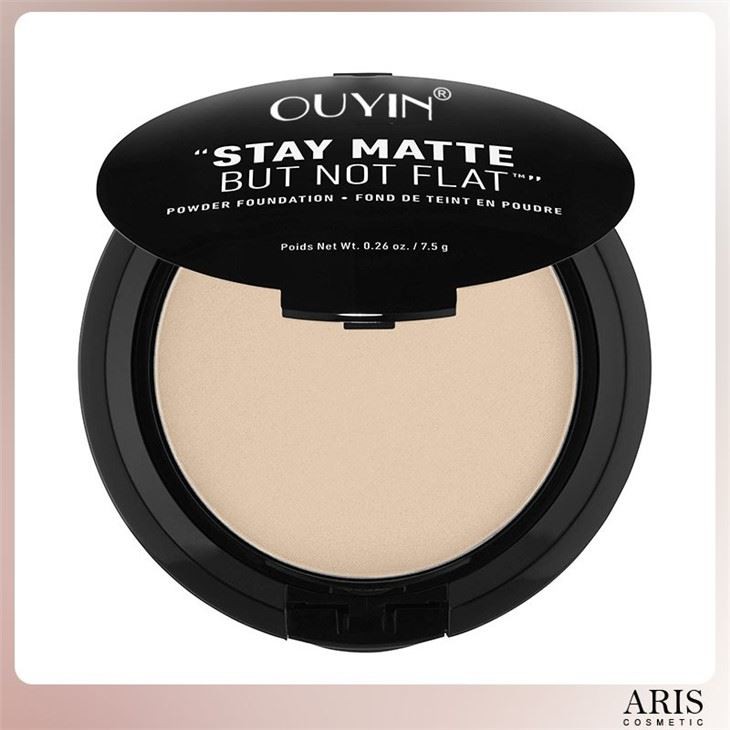
For adolescents who are self - conscious about their blushing, cosmetic blushes can be used to mask it. A Coverage Lightweight Matte Finish Pressed Powder Foundation can be applied first to even out the skin tone and reduce the appearance of the natural blush. Then, a subtle blush can be applied on top to create a more controlled and natural - looking flush.
Marketing and Product Development
Understanding how blushing changes during puberty is crucial for marketing and product development. We, as a Blush supplier, need to tailor our products and marketing strategies to meet the needs of this specific demographic.
In terms of product development, we can create blushes with more natural and subtle colors that are suitable for adolescents. These colors can blend well with the natural skin tone and blushing, whether the goal is to enhance or mask it. We can also focus on creating products that are easy to use and gentle on the skin, as adolescent skin is often more sensitive.
For marketing, we can target social media platforms where adolescents are most active. We can create content that is relatable to their experiences, such as how to use blushes to boost confidence in social situations. We can also collaborate with influencers who are popular among adolescents to promote our products.
Contact for Procurement
If you are interested in purchasing our high - quality blushes, we invite you to reach out to us for procurement discussions. We offer a wide range of blushes that are suitable for different skin types and preferences, especially those influenced by the changes in blushing during puberty. Whether you are a retailer looking to stock our products or a makeup artist in need of reliable blushes, we are here to meet your needs.
References
- Steinberg, L. (2014). Adolescence. McGraw - Hill Education.
- Kring, A. M., Johnson, S. L., Davison, G. C., & Neale, J. M. (2016). Abnormal Psychology. Wiley.
- Paus, T., Keshavan, M. S., & Giedd, J. N. (2008). Why do many psychiatric disorders emerge during adolescence? Nature Reviews Neuroscience, 9(12), 947 - 957.