

Does blush make you look more attractive?
Nov 26, 2025
Blush has long been a staple in the world of makeup, with a history that dates back thousands of years. From ancient Egyptians using red ochre to the powdered rouge of the Victorian era, blush has always been associated with enhancing one's natural beauty. But the question remains: does blush truly make you look more attractive? As a blush supplier, I've delved deep into this topic, exploring both the scientific and aesthetic aspects of blush application.
The Science Behind Blush and Attraction
From a biological perspective, the color red has a profound impact on human perception. Studies have shown that the color red is often associated with health, vitality, and fertility. When we blush naturally, it's a physiological response that causes blood vessels in the face to dilate, resulting in a reddish hue on the cheeks. This natural blush is subconsciously perceived as a sign of youth, health, and even romantic interest.
In a series of experiments conducted by psychologists, men were shown pictures of women with and without a red tint on their cheeks. The results consistently indicated that men found the women with the red - tinted cheeks more attractive. The red color was linked to increased blood flow, which is often associated with good health. In the animal kingdom, many species use bright colors to signal their fitness for mating, and it seems that humans have a similar subconscious response to the color red on the face.
Psychological and Aesthetic Impact of Blush
On a psychological level, blush can boost one's confidence. When you look in the mirror and see a healthy, rosy glow on your cheeks, it can make you feel more put - together and attractive. This confidence can then translate into better social interactions, as people who feel good about themselves tend to be more engaging and charismatic.
Aesthetically, blush can transform the entire look of the face. It adds dimension and contour, making the face appear more sculpted. For example, applying blush to the apples of the cheeks can give a youthful, fresh - faced look, while applying it along the cheekbones can create a more sophisticated, angular appearance. Blush can also balance out the complexion. If your skin tone is pale, a touch of blush can add warmth and prevent you from looking washed out. On the other hand, if you have a darker complexion, blush can enhance your natural features and add a pop of color.
Our Blush Products
As a blush supplier, we offer a wide range of high - quality blush products to suit different preferences and skin types. One of our most popular products is the Six - color Natural Lasting Rouge blush Palette. This palette features six different shades of blush, from soft peaches to deep plums, allowing you to create a variety of looks. The formula is highly pigmented and long - lasting, ensuring that your blush stays put throughout the day.
Another great option is our Coverage Lightweight Matte Finish Pressed Powder Foundation. While it's a foundation, it also has a built - in blush effect. The lightweight formula provides excellent coverage while giving a natural, matte finish. It's perfect for those who want a more subtle blush look or for those with oily skin who prefer a matte texture.
For a more convenient option, our Single Blush Stick is a must - have. The stick format makes it easy to apply and blend, whether you're on the go or doing a quick touch - up. It glides on smoothly and gives a dewy, natural - looking blush.
How to Apply Blush for Maximum Attraction
Applying blush correctly is crucial to achieving the most attractive look. First, it's important to choose the right shade for your skin tone. For fair skin, soft pinks and peaches work well, while medium skin tones can pull off corals and berry shades. Darker skin tones look great with deep plums and rich reds.
To apply blush to the apples of the cheeks, smile and apply the blush where the apples of your cheeks are most prominent. This gives a youthful, innocent look. If you want to create a more contoured effect, apply blush along the cheekbones, starting from the outer corner of the eye and sweeping down towards the corner of the mouth.
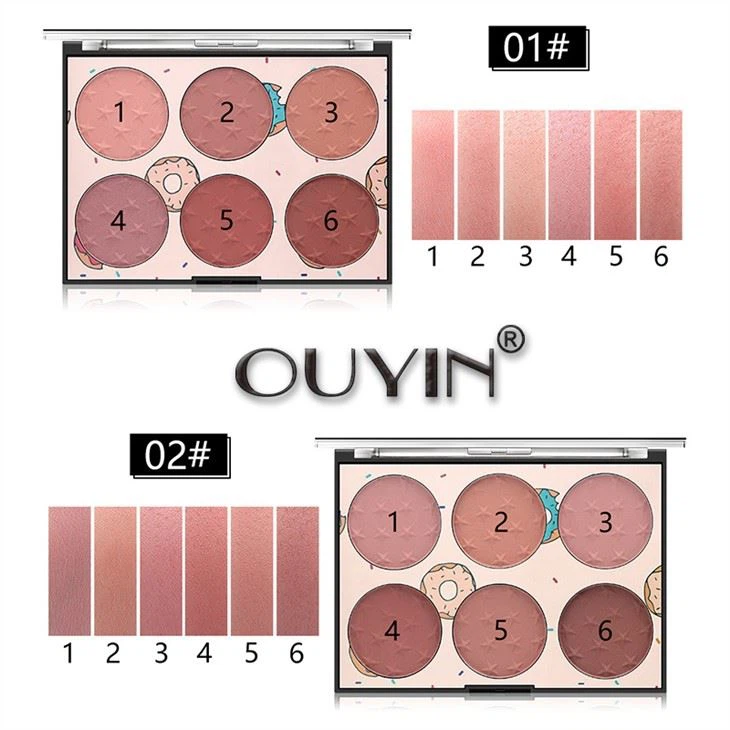
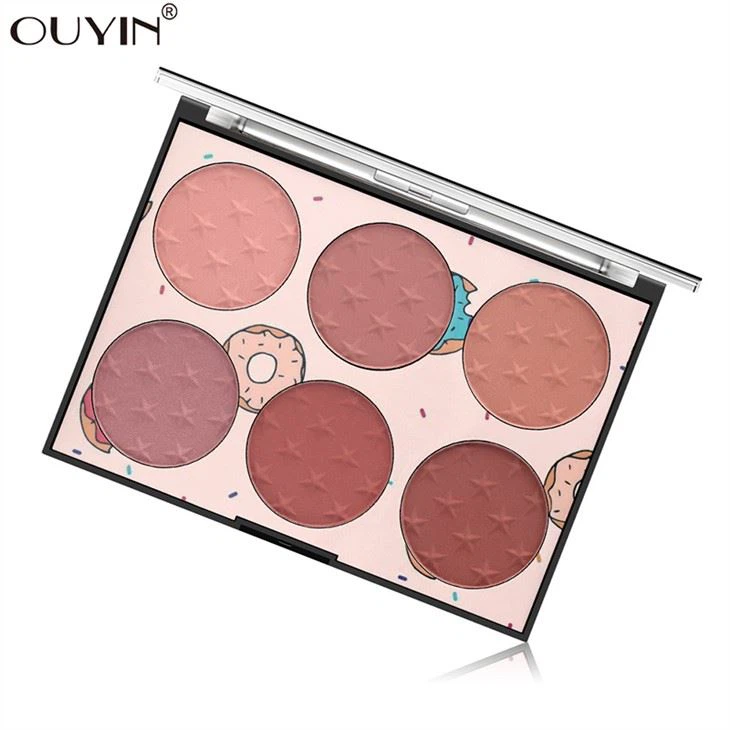
When using a powder blush, use a fluffy blush brush to apply the product. Start with a small amount and gradually build up the color. For cream or stick blushes, use your fingers or a damp beauty sponge to blend the product into the skin for a seamless finish.
Blush in Different Cultures
Blush has different cultural significance around the world. In Western cultures, blush is often seen as a way to enhance femininity and attractiveness. It's a common part of everyday makeup routines and is used in both casual and formal settings.
In some Asian cultures, a natural - looking blush is also highly valued. However, the shades used are often more subtle, with a preference for soft pinks and peaches. Blush is used to create a "doll - like" or "innocent" look, which is considered very attractive in these cultures.
In Indian culture, bold and vibrant colors are often used in makeup, including blush. Deep reds and oranges are popular, and blush is used as part of elaborate bridal and festive makeup looks.
Conclusion
In conclusion, blush does indeed make you look more attractive. Whether it's through the biological response to the color red, the psychological boost it provides, or the aesthetic enhancement it offers, blush has a powerful impact on how we perceive ourselves and how others perceive us.
As a blush supplier, we are committed to providing high - quality blush products that help you look and feel your best. Our products are formulated with the latest technology and highest - quality ingredients to ensure long - lasting color and a beautiful finish.
If you're interested in our blush products and would like to discuss purchasing options, we'd love to hear from you. Contact us to start a conversation about how our blush can enhance your beauty line or makeup collection.
References
- Elliot, A. J., & Niesta, D. (2008). Romantic red: Red enhances men's attraction to women. Journal of Personality and Social Psychology, 95(5), 1150 - 1164.
- Russell, J. A. (1991). Culture and the categorization of emotions. Psychological Bulletin, 110(3), 426 - 450.
- Perrett, D. I., May, K. A., & Yoshikawa, S. (1994). Facial shape and the perception of female attractiveness. Nature, 368(6468), 239 - 242.