

Does lip balm help with angular cheilitis?
Nov 25, 2025
Angular cheilitis, also known as perlèche, is a common inflammatory condition that affects the corners of the mouth. It presents as redness, swelling, fissures, and sometimes pain or itching. Many people wonder if lip balm can be an effective solution for this uncomfortable condition. As a lip balm supplier, I've delved into the science behind angular cheilitis and the potential role of lip balms in its management.
Understanding Angular Cheilitis
Before we explore the effectiveness of lip balm, it's crucial to understand what causes angular cheilitis. There are several factors that can contribute to its development:
- Nutritional Deficiencies: A lack of certain vitamins and minerals, such as vitamin B2 (riboflavin), vitamin B3 (niacin), vitamin B6 (pyridoxine), and iron, can weaken the skin's integrity and make it more susceptible to infection.
- Fungal or Bacterial Infections: Candida albicans, a type of fungus, and Staphylococcus aureus, a bacterium, are commonly associated with angular cheilitis. These microorganisms can thrive in the warm, moist environment of the mouth corners.
- Dental Issues: Ill - fitting dentures, excessive drooling, or misaligned teeth can cause the corners of the mouth to be constantly moist, creating an ideal breeding ground for pathogens.
- Weather Conditions: Extreme cold, dryness, or wind can dry out the lips and the skin around the mouth, leading to cracking and inflammation.
How Lip Balm Works
Lip balms are formulated to moisturize and protect the lips. They typically contain a combination of emollients, humectants, and occlusives.
- Emollients: These substances, such as shea butter, cocoa butter, and jojoba oil, help to smooth and soften the skin by filling in the gaps between skin cells. They improve the skin's texture and prevent moisture loss.
- Humectants: Glycerin and hyaluronic acid are common humectants in lip balms. They attract water from the environment and hold it in the skin, keeping the lips hydrated.
- Occlusives: Ingredients like beeswax, petrolatum, and lanolin form a protective barrier on the lips, preventing water from evaporating. This helps to lock in moisture and keep the lips from drying out.
Can Lip Balm Help with Angular Cheilitis?
The answer is both yes and no. In some cases, lip balm can play a beneficial role in managing angular cheilitis, while in others, it may not be sufficient on its own.
Positive Effects
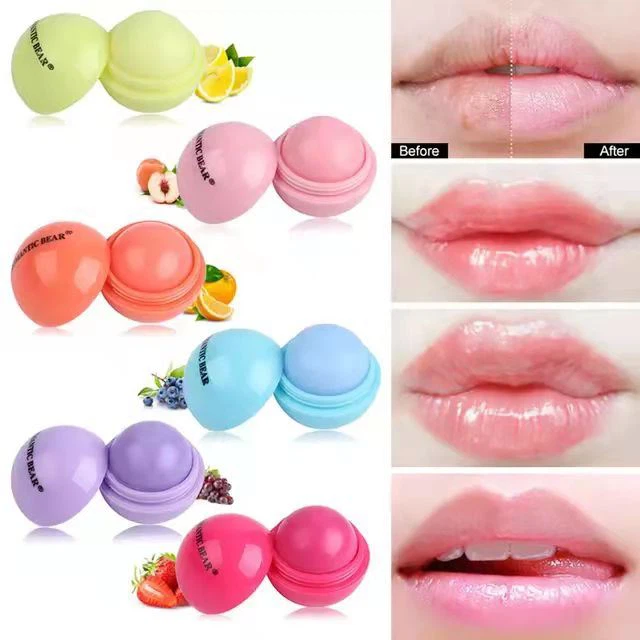
- Moisturization: One of the main symptoms of angular cheilitis is dry, cracked skin. Lip balms can provide much - needed moisture to the affected area, helping to soothe the discomfort and promote healing. By keeping the skin hydrated, lip balms can prevent further cracking and reduce the risk of secondary infections.
- Barrier Protection: The occlusive properties of lip balms can create a physical barrier between the skin and the external environment. This can protect the inflamed skin from irritants such as cold air, wind, and saliva, which can exacerbate the condition.
Limitations
- Underlying Causes: If angular cheilitis is caused by a nutritional deficiency, fungal or bacterial infection, or dental issues, simply using lip balm may not address the root cause. For example, if a fungal infection is present, an antifungal treatment is usually required in addition to lip balm.
- Severe Cases: In severe cases of angular cheilitis, where there are deep fissures, bleeding, or persistent pain, lip balm alone may not be enough. Medical intervention, such as prescription medications, may be necessary.
Choosing the Right Lip Balm
When selecting a lip balm for angular cheilitis, it's important to choose one that is formulated for sensitive skin and contains beneficial ingredients.
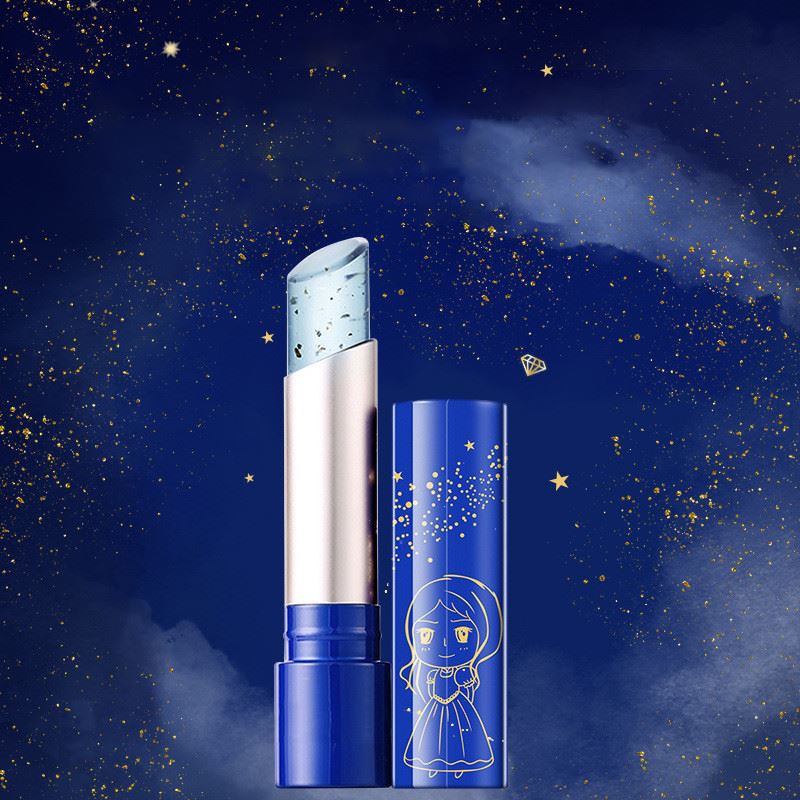
- Natural Ingredients: Look for lip balms that contain natural ingredients such as aloe vera, which has anti - inflammatory and soothing properties. Our Aloe Color Changing Lip Balm is a great option as it combines the moisturizing benefits of lip balm with the healing properties of aloe vera.
- Antifungal or Antibacterial Agents: If you suspect that a fungal or bacterial infection is contributing to your angular cheilitis, consider a lip balm that contains antifungal or antibacterial ingredients. Some lip balms may include ingredients like tea tree oil, which has natural antimicrobial properties.
- Hypoallergenic: To avoid further irritation, choose a hypoallergenic lip balm that is free from fragrances, dyes, and other potential allergens.
Our Lip Balm Offerings
As a lip balm supplier, we offer a range of high - quality lip balms that may be beneficial for angular cheilitis.
- Temperature Change Lip Balm: This unique lip balm is designed to adapt to different temperatures. It provides long - lasting moisture and protection, making it suitable for use in various weather conditions. Whether it's cold and dry or hot and humid, this lip balm can help keep your lips and the surrounding skin hydrated.
- Color Changing Crystal Lip Balm: Not only does this lip balm offer excellent moisturization, but it also has a fun color - changing feature. It contains nourishing ingredients that can soothe and protect the lips, and the color - changing effect adds a touch of novelty.
When to Seek Professional Help
If you've been using lip balm for a few days and your angular cheilitis symptoms don't improve, or if they get worse, it's important to seek professional help. A doctor or a dermatologist can accurately diagnose the underlying cause of your angular cheilitis and recommend appropriate treatment. They may prescribe medications such as antifungal creams, antibiotics, or vitamin supplements depending on the cause.
Conclusion
In conclusion, lip balm can be a useful tool in managing angular cheilitis, especially in mild cases where dryness and irritation are the main issues. It can provide moisture and protection to the affected area, helping to soothe the discomfort and promote healing. However, it's important to recognize the limitations of lip balm and address any underlying causes.
If you're interested in our lip balm products for personal use or for potential business partnerships, we're here to assist you. Our lip balms are carefully formulated to meet the highest quality standards and offer effective solutions for lip care. Contact us to start a procurement discussion and explore how our products can meet your needs.
References
- Habif, T. P. (2016). Clinical Dermatology: A Color Guide to Diagnosis and Therapy. Elsevier.
- Bolognia, J. L., Jorizzo, J. L., & Rapini, R. P. (2012). Dermatology. Elsevier.
- Marks, R., & Miller, J. J. (Eds.). (2006). Lookingbill and Marks' Principles of Dermatology. Saunders.