

How does a foundation protect its intellectual property?
Dec 02, 2025
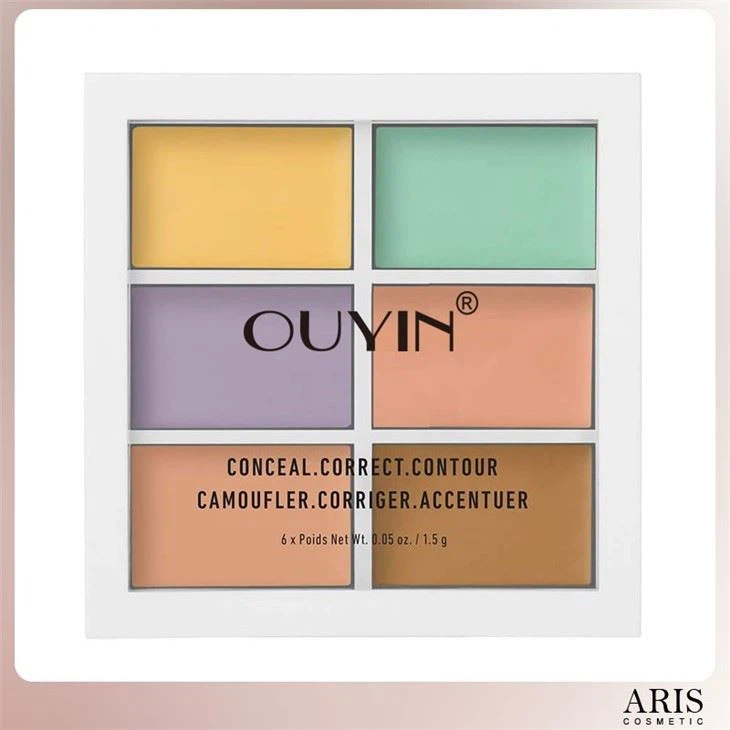
As a foundation supplier, protecting intellectual property (IP) is not only a legal necessity but also a strategic imperative. In the highly competitive cosmetics market, our innovative products like the Smooth Air Cushion CC Cream Foundation, OUYIN Creamy Contour And Highlighter Makeup Kit - Contour/Concealer Palette, and New 6 Color Cosmetics Cream Contour And Highlighting Makeup Kit Color Correcting Cream Concealer Camouflage Makeup Palette are the result of extensive research, development, and creativity. Here's how we, as a foundation supplier, safeguard our intellectual property.
Understanding Intellectual Property in the Foundation Industry
Intellectual property in the foundation industry encompasses various aspects. It includes trademarks, which are distinctive signs that identify our products, such as the brand names and logos associated with our foundations. Patents are also crucial, especially for unique formulas, manufacturing processes, or innovative packaging designs. Copyrights protect our creative works, like advertising materials, product manuals, and website content. Trade secrets, on the other hand, cover confidential information such as ingredient recipes, production techniques, and customer lists.
Trademark Protection
Trademarks play a vital role in differentiating our foundation products from competitors. We conduct thorough trademark searches before launching a new brand or product name to ensure that it is not already in use and is eligible for registration. Once we have a unique and distinctive name or logo, we file for trademark registration with the appropriate intellectual property office. This provides us with legal protection against others using similar marks in the same or related industries.
For example, our brand name for the Smooth Air Cushion CC Cream Foundation is carefully crafted to convey the product's features and benefits. By registering it as a trademark, we prevent other companies from using a similar name that could cause confusion among consumers. Trademark protection also helps build brand recognition and loyalty, as consumers associate our brand with quality and reliability.
Patent Protection
In the foundation industry, innovation is key to staying ahead of the competition. We invest heavily in research and development to create new and improved foundation formulas, packaging designs, and application methods. When we develop a unique and novel invention, we file for a patent to protect our rights.
A patent gives us exclusive rights to make, use, and sell our invention for a limited period, typically 20 years from the filing date. This allows us to recoup our investment in research and development and prevent others from copying our technology. For instance, if we develop a new foundation formula that provides better coverage, longer-lasting wear, or improved skin benefits, we can patent it to protect our innovation.
However, obtaining a patent is a complex and time-consuming process. It requires a detailed description of the invention, including its technical features and how it differs from existing products. We work closely with patent attorneys to ensure that our patent applications are well-prepared and meet all the legal requirements.
Copyright Protection
Copyright protection is important for our creative works, such as advertising materials, product manuals, and website content. We own the copyright to these works automatically as soon as they are created and fixed in a tangible form. However, registering our copyrights with the copyright office provides additional legal protection and makes it easier to enforce our rights in case of infringement.
Our advertising materials, including print ads, TV commercials, and social media posts, are designed to promote our foundation products and attract customers. By protecting these materials with copyright, we prevent others from using our creative content without permission. Similarly, our product manuals and website content provide valuable information to consumers about our products. Copyright protection ensures that this information remains our exclusive property.
Trade Secret Protection
Trade secrets are confidential information that gives us a competitive advantage in the market. This includes ingredient recipes, production techniques, customer lists, and marketing strategies. We take strict measures to protect our trade secrets, such as implementing confidentiality agreements with our employees, contractors, and business partners.
Employees who have access to our trade secrets are required to sign non-disclosure agreements (NDAs) that prohibit them from disclosing the information to third parties. We also limit access to trade secrets on a need-to-know basis and use security measures such as password protection, encryption, and restricted access to our facilities.
For example, our ingredient recipes for the OUYIN Creamy Contour And Highlighter Makeup Kit - Contour/Concealer Palette are closely guarded trade secrets. By keeping these recipes confidential, we prevent competitors from replicating our products and maintain our competitive edge in the market.
Monitoring and Enforcement
Protecting our intellectual property is an ongoing process. We regularly monitor the market for potential infringements of our trademarks, patents, copyrights, and trade secrets. This includes conducting online searches, monitoring competitor products, and keeping an eye on industry news and events.
If we discover an infringement, we take immediate action to enforce our rights. This may involve sending a cease and desist letter to the infringer, filing a lawsuit in court, or seeking alternative dispute resolution methods such as mediation or arbitration. We work closely with intellectual property attorneys to ensure that our enforcement actions are effective and in accordance with the law.
In addition to monitoring and enforcement, we also educate our employees, contractors, and business partners about the importance of intellectual property protection. We provide training on IP policies and procedures and encourage them to report any suspected infringements.
Collaboration and Licensing
In some cases, we may choose to collaborate with other companies or license our intellectual property to third parties. Collaboration can be a mutually beneficial way to share resources, expertise, and technology. For example, we may partner with a research institution to develop a new foundation formula or with a packaging company to create a more innovative and sustainable packaging design.
Licensing our intellectual property allows us to generate additional revenue by granting others the right to use our trademarks, patents, or copyrights in exchange for a license fee. This can be a strategic way to expand our market reach and increase our brand awareness. However, we carefully evaluate potential licensing partners to ensure that they have the resources and expertise to use our intellectual property effectively and protect our rights.
Conclusion
Protecting our intellectual property is essential for our success as a foundation supplier. By safeguarding our trademarks, patents, copyrights, and trade secrets, we can maintain our competitive edge, build brand recognition and loyalty, and generate revenue through innovation and collaboration. We will continue to invest in research and development, monitor the market for potential infringements, and enforce our rights when necessary.
If you are interested in purchasing our high-quality foundation products or discussing potential collaboration opportunities, we invite you to reach out to us. We look forward to working with you to meet your cosmetic needs.

References
- World Intellectual Property Organization (WIPO). (n.d.). Intellectual Property Basics. Retrieved from [WIPO Website]
- United States Patent and Trademark Office (USPTO). (n.d.). Trademark Basics. Retrieved from [USPTO Website]
- United States Copyright Office. (n.d.). Copyright Basics. Retrieved from [Copyright Office Website]