

Can lip balm cause allergies?
Dec 04, 2025
Lip balm is a staple in many people's daily skincare routines, offering moisture and protection to our often-neglected lips. However, a question that frequently arises is whether lip balm can cause allergies. As a lip balm supplier, I've encountered numerous inquiries from customers concerned about potential allergic reactions. In this blog post, I'll delve into the science behind lip balm allergies, explore common allergens found in lip balms, and provide insights on how to identify and manage these reactions.
Understanding Allergic Reactions
Allergic reactions occur when the immune system mistakenly identifies a substance as harmful and launches an immune response. This response can manifest in various ways, including itching, redness, swelling, and in severe cases, blistering or hives. When it comes to lip balm, an allergic reaction typically affects the lips and the surrounding skin.
There are two main types of allergic reactions associated with lip balm: contact dermatitis and immediate hypersensitivity reactions. Contact dermatitis is the most common type and occurs when the skin comes into direct contact with an allergen. This reaction usually develops over time and may take several days to appear. Immediate hypersensitivity reactions, on the other hand, are less common and occur within minutes to hours of exposure to an allergen. These reactions can be more severe and may require immediate medical attention.
Common Allergens in Lip Balm
Lip balms contain a variety of ingredients, some of which have the potential to cause allergic reactions in certain individuals. Here are some of the most common allergens found in lip balms:
- Fragrances: Fragrances are added to lip balms to provide a pleasant scent. However, many synthetic fragrances contain chemicals that can trigger allergic reactions in sensitive individuals. These reactions can range from mild itching and redness to more severe symptoms such as swelling and blistering.
- Flavors: Similar to fragrances, flavors are added to lip balms to enhance their taste. Artificial flavors, in particular, can contain chemicals that may cause allergic reactions. Some common flavorings that have been associated with allergic reactions include cinnamon, peppermint, and citrus.
- Preservatives: Preservatives are used in lip balms to prevent the growth of bacteria and fungi. While preservatives are necessary to ensure the safety and shelf life of lip balms, some individuals may be allergic to certain types of preservatives. Common preservatives that have been linked to allergic reactions include parabens, formaldehyde-releasing agents, and phenoxyethanol.
- Lanolin: Lanolin is a natural wax derived from sheep's wool and is commonly used in lip balms for its moisturizing properties. However, some individuals may be allergic to lanolin, which can cause itching, redness, and swelling of the lips.
- Essential Oils: Essential oils are concentrated plant extracts that are often used in lip balms for their therapeutic properties. While essential oils can provide many benefits, they can also cause allergic reactions in some individuals. Some common essential oils that have been associated with allergic reactions include lavender, tea tree, and eucalyptus.
Identifying Lip Balm Allergies
If you suspect that you may be allergic to a lip balm, it's important to pay attention to the symptoms you're experiencing. Here are some common signs of a lip balm allergy:
- Itching: Itching is one of the most common symptoms of a lip balm allergy. If you notice that your lips are itching after using a lip balm, it could be a sign of an allergic reaction.
- Redness: Redness of the lips is another common symptom of a lip balm allergy. If your lips appear red and inflamed after using a lip balm, it's possible that you're having an allergic reaction.
- Swelling: Swelling of the lips is a more severe symptom of a lip balm allergy. If your lips are swollen after using a lip balm, it's important to stop using the product immediately and seek medical attention.
- Blistering: Blistering of the lips is a rare but serious symptom of a lip balm allergy. If you notice blisters on your lips after using a lip balm, it's important to stop using the product immediately and seek medical attention.
If you experience any of these symptoms after using a lip balm, it's important to stop using the product immediately and consult a dermatologist. A dermatologist can perform patch testing to determine which specific ingredients you're allergic to and recommend alternative lip balms that are safe for you to use.
Managing Lip Balm Allergies
If you have a lip balm allergy, there are several steps you can take to manage your symptoms and prevent future allergic reactions. Here are some tips:
- Read the Labels: When choosing a lip balm, it's important to read the labels carefully and avoid products that contain ingredients that you're allergic to. Look for lip balms that are labeled as fragrance-free, flavor-free, and hypoallergenic.
- Do a Patch Test: Before using a new lip balm, it's a good idea to do a patch test on a small area of skin on your inner arm. Apply a small amount of the lip balm to the skin and wait 24 to 48 hours to see if you have any allergic reactions. If you don't experience any symptoms, it's likely that you can use the lip balm safely.
- Use Natural Lip Balms: Natural lip balms are made with ingredients that are less likely to cause allergic reactions. Look for lip balms that are made with natural ingredients such as beeswax, shea butter, and coconut oil.
- Avoid Sharing Lip Balms: Sharing lip balms can increase your risk of developing an allergic reaction. To prevent the spread of bacteria and allergens, it's important to avoid sharing lip balms with others.
- Keep Your Lips Moisturized: Even if you have a lip balm allergy, it's important to keep your lips moisturized to prevent dryness and cracking. You can use a hypoallergenic lip moisturizer or petroleum jelly to keep your lips hydrated.
Our Lip Balm Products
At our company, we understand the importance of providing high-quality, safe, and effective lip balms. That's why we offer a wide range of lip balms that are formulated with natural ingredients and free from common allergens such as fragrances, flavors, and preservatives.
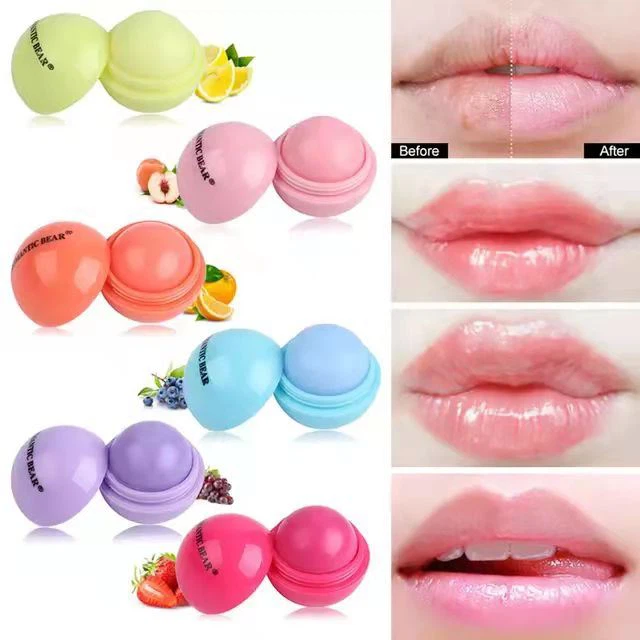

One of our popular products is the Temperature Change Lip Balm. This innovative lip balm changes color based on the temperature of your lips, providing a fun and unique way to keep your lips moisturized. Another popular product is the Color Changing Crystal Lip Balm, which contains natural crystal pigments that react with your lips' pH levels to create a customized color.
For those with sensitive skin, we recommend our Aloe Color Changing Lip Balm. This lip balm is formulated with aloe vera, which has soothing and healing properties, and is free from common allergens such as fragrances, flavors, and preservatives.
Conclusion
In conclusion, while lip balm can cause allergies in some individuals, it's important to remember that not all lip balms are created equal. By understanding the common allergens found in lip balms, identifying the symptoms of a lip balm allergy, and taking steps to manage your symptoms, you can enjoy the benefits of lip balm without the risk of an allergic reaction.
If you're interested in learning more about our lip balm products or would like to discuss potential purchasing opportunities, please don't hesitate to contact us. We're always happy to answer your questions and help you find the perfect lip balm for your needs.
References
- American Academy of Dermatology. (2023). Contact Dermatitis. Retrieved from https://www.aad.org/public/diseases/a-z/contact-dermatitis-overview
- Mayo Clinic. (2023). Allergic Reaction. Retrieved from https://www.mayoclinic.org/diseases-conditions/allergic-reaction/symptoms-causes/syc-20351497
- WebMD. (2023). Lip Balm Allergies. Retrieved from https://www.webmd.com/skin-problems-and-treatments/lip-balm-allergies