

What are the steps to register a foundation?
Dec 05, 2025
Registering a foundation can be a complex yet rewarding process, especially when you're in the business of supplying foundations, like I am. As a foundation supplier, I've witnessed firsthand the importance of having a well - registered foundation product in the market. In this blog, I'll walk you through the steps to register a foundation, whether it's a cosmetic foundation or a non - profit foundation.
Step 1: Define Your Foundation
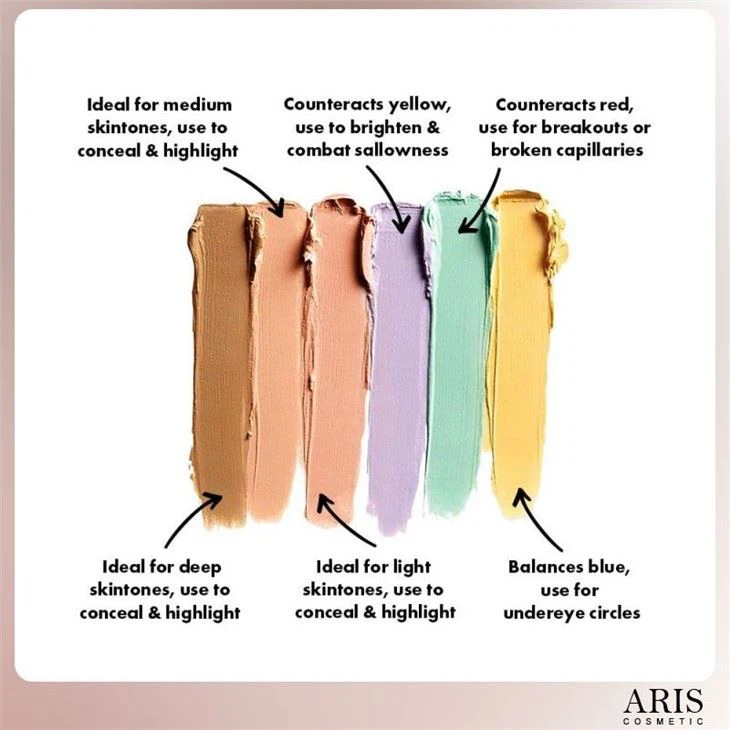
The first step in registering a foundation is to clearly define what it is. If you're in the cosmetic industry, like me, you need to determine the type of foundation you're offering. For instance, we have a wide range of products such as the New 6 Color Cosmetics Cream Contour And Highlighting Makeup Kit Color Correcting Cream Concealer Camouflage Makeup Palette. This product combines contouring, highlighting, and color - correcting features, which sets it apart from traditional foundations.
If it's a non - profit foundation, you need to define your mission, vision, and the cause you'll be supporting. This clarity will not only guide you through the registration process but also help you in marketing and attracting stakeholders later on.
Step 2: Research the Legal Requirements
Once you've defined your foundation, the next step is to research the legal requirements for registration. In the cosmetic industry, different countries and regions have their own regulations regarding product safety, labeling, and ingredient disclosure. For example, in the United States, the Food and Drug Administration (FDA) regulates cosmetics, including foundations. You need to ensure that your product complies with their safety standards, such as not containing harmful substances and having accurate ingredient lists.
For non - profit foundations, the legal requirements usually involve registering with the appropriate government agency, obtaining tax - exempt status, and adhering to reporting and governance rules. In the US, non - profits typically register with the Internal Revenue Service (IRS) to gain 501(c)(3) status, which provides tax benefits for donors.
Step 3: Choose a Business Structure
Selecting the right business structure is crucial for your foundation. If you're a cosmetic foundation supplier, you can choose from options like a sole proprietorship, partnership, limited liability company (LLC), or a corporation. Each structure has its own advantages and disadvantages in terms of liability, taxation, and management.
A sole proprietorship is the simplest form, but it exposes you to unlimited personal liability. An LLC, on the other hand, offers limited liability protection while allowing for more flexibility in management and taxation. For non - profit foundations, they are usually structured as a charitable trust, a non - profit corporation, or an unincorporated association.
Step 4: Name Your Foundation
The name of your foundation is an important part of its identity. When naming a cosmetic foundation, it should be catchy, easy to remember, and relevant to the product's features. For example, our Full Coverage Classic Ivory Oil - Free Liquid Foundation clearly indicates its coverage, shade, and oil - free nature.

For non - profit foundations, the name should reflect the cause they support and be unique to avoid confusion with other organizations. You also need to check if the name is available for registration and trademark it if possible to protect your brand.
Step 5: Prepare the Necessary Documents
To register your foundation, you'll need to prepare a set of documents. In the cosmetic industry, these may include product formulas, safety data sheets, labeling information, and manufacturing records. These documents are used to prove the safety and quality of your product to regulatory authorities.
For non - profit foundations, the required documents usually include articles of incorporation, bylaws, a mission statement, and financial projections. The articles of incorporation outline the basic structure and purpose of the organization, while the bylaws govern its internal operations.
Step 6: File the Registration Application
After gathering all the necessary documents, it's time to file the registration application. In the case of cosmetic foundations, you'll submit your application to the relevant regulatory body, along with the required fees. The regulatory agency will review your application and may conduct inspections or request additional information.
Non - profit foundations file their applications with the appropriate government agency, such as the state's secretary of state office and the IRS. The process can take several weeks to months, depending on the complexity of your application and the workload of the agency.
Step 7: Obtain Necessary Permits and Licenses
In addition to registration, you may need to obtain certain permits and licenses to operate your foundation legally. In the cosmetic industry, you may need a manufacturing license, a sales tax permit, and a cosmetic establishment registration. These permits ensure that your business is compliant with local and national regulations.
Non - profit foundations may need permits for fundraising activities, such as soliciting donations from the public. They also need to maintain their tax - exempt status by filing annual reports and complying with other regulatory requirements.
Step 8: Market Your Foundation
Once your foundation is registered and all the necessary permits are obtained, it's time to start marketing it. For cosmetic foundations, you can use various marketing channels such as social media, beauty blogs, and influencer partnerships. Our Ultra Cover Liquid Matt Foundation has gained popularity through targeted social media campaigns and positive reviews from beauty influencers.
Non - profit foundations can market their cause through events, media outreach, and online fundraising platforms. Building a strong brand and a positive reputation is essential for attracting customers or donors.
Step 9: Maintain Compliance
Registration is not a one - time process. You need to maintain compliance with all the relevant regulations throughout the life of your foundation. In the cosmetic industry, this means staying updated on changes in safety standards, ingredient regulations, and labeling requirements. You may need to conduct regular product testing and update your product information accordingly.
Non - profit foundations need to file annual reports, maintain proper financial records, and ensure that they are using their funds in accordance with their mission. Failure to maintain compliance can result in fines, loss of tax - exempt status, or even the dissolution of your foundation.
Conclusion
Registering a foundation, whether it's a cosmetic or non - profit one, is a multi - step process that requires careful planning, research, and attention to detail. As a foundation supplier, I understand the challenges and opportunities that come with bringing a new product to the market. By following these steps, you can ensure that your foundation is legally compliant, well - positioned in the market, and ready to achieve its goals.
If you're interested in purchasing our high - quality cosmetic foundations or have any questions about our products, we'd love to hear from you. Feel free to reach out to us for a procurement discussion. We're committed to providing the best products and services to our customers.
References
- U.S. Food and Drug Administration (FDA). "Cosmetics."
- Internal Revenue Service (IRS). "Exempt Organizations."
- Various industry reports on cosmetic and non - profit foundation regulations.