

What is the impact of blushing on public speaking?
Dec 17, 2025
Blushing is a natural physiological response that many people experience, especially during public speaking. It can have both positive and negative impacts on the speaker and the overall public - speaking experience. As a supplier of Blush products, I have also thought about how this natural blushing phenomenon relates to the products we offer. In this blog, we will delve into the various impacts of blushing on public speaking and explore this fascinating topic from multiple perspectives.
The Physiology of Blushing during Public Speaking
When a person stands in front of an audience to give a speech, the body often goes into a state of heightened arousal. The sympathetic nervous system activates, which causes the blood vessels in the face, particularly in the cheeks, to dilate. This dilation leads to an increased blood flow, resulting in the characteristic redness associated with blushing. This physiological reaction is an involuntary response that occurs due to a combination of stress, anxiety, and the body's natural fight - or - flight mechanism.
According to a study published in the Journal of Psychophysiology, stress and social anxiety are the primary triggers for blushing during public speaking. When a speaker is worried about making mistakes, being judged, or not meeting the audience's expectations, the body responds by blushing. This can be particularly challenging for novice speakers, as the visible sign of blushing may make them feel more self - conscious, further exacerbating their anxiety.
The Psychological Impact of Blushing on the Speaker
On the one hand, blushing can have a negative psychological impact on the speaker. When a person starts to blush during a speech, they are often acutely aware of it. This self - awareness can lead to a sense of embarrassment and a loss of confidence. The speaker may become overly focused on their blushing rather than on the content of the speech, which can disrupt their flow and make it difficult to convey their message effectively. For example, a speaker might stumble over words, forget key points, or speak too quickly in an attempt to rush through the speech because of the discomfort caused by blushing.
On the other hand, some psychologists argue that blushing can also have a positive psychological aspect. In a social context, blushing is often seen as a sign of modesty and sincerity. It can make the speaker seem more human and relatable to the audience. When an audience sees a speaker blushing, they may perceive the speaker as being genuinely nervous and engaged in the topic. This can create a sense of empathy between the speaker and the audience, potentially making the audience more receptive to the speaker's message.

The Perception of the Audience
The audience's perception of a blushing speaker can vary widely. Some audience members may be understanding and empathetic, viewing the blushing as a normal part of the public - speaking experience. They may even find it endearing and be more likely to listen attentively. However, other audience members may unconsciously associate blushing with a lack of confidence or competence. They may focus on the blushing rather than on the content of the speech, which can distract from the speaker's message.
A research study in the area of communication and social psychology found that the audience's perception of a blushing speaker depends on various factors, including the speaker's overall communication skills, the topic of the speech, and the cultural background of the audience. In some cultures, blushing is more readily accepted and associated with positive qualities, while in others, it may be seen as a weakness.
Blushing and the Role of Makeup Products
As a Blush supplier, it's interesting to consider how makeup products can relate to the phenomenon of blushing. While makeup cannot prevent the physiological act of blushing, it can help manage its visual impact. For example, our Single Blush Stick is a convenient and easy - to - use product. It can be applied to create a natural - looking flush on the cheeks, which can be beneficial for speakers. If a speaker has a tendency to blush, applying a subtle amount of blush before a speech can make the natural blushing less noticeable. The pre - applied blush can blend in with the redness caused by blushing, creating a more consistent and controlled appearance.
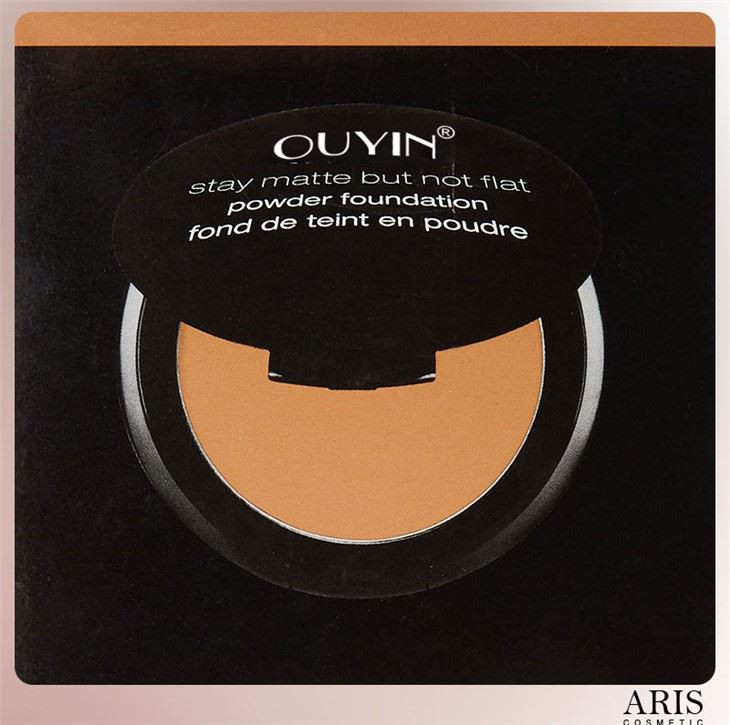
Our Coverage Lightweight Matte Finish Pressed Powder Foundation can also play a role. This foundation offers good coverage, which can help to even out the skin tone. If a speaker blushes unevenly or has a very visible redness on their face, the foundation can provide a base that reduces the contrast between the blushing areas and the rest of the face. It gives a more polished and professional look, which can in turn boost the speaker's confidence.
Another product, the Powder Blush Paletter, offers a variety of shades. Speakers can choose a shade that matches their skin tone and the look they want to achieve. It can be applied to enhance the natural contours of the face and create a healthy, radiant appearance. Using powder blush can help to give the impression of a more composed and in - control speaker, even if they are experiencing internal anxiety and blushing.
Strategies for Speakers to Deal with Blushing
There are several strategies that speakers can adopt to deal with blushing during public speaking. Firstly, preparation is key. The more a speaker prepares their speech, the more confident they will feel. By knowing the content inside out, they are less likely to be caught off - guard and experience extreme anxiety that leads to blushing.
Secondly, practicing relaxation techniques can be very helpful. Deep breathing exercises, for example, can calm the nervous system and reduce the likelihood of blushing. Before and during the speech, taking slow, deep breaths can help the speaker stay calm and centered.
Finally, reframing the perception of blushing can also be beneficial. Instead of seeing it as a negative thing, speakers can view it as a normal part of the public - speaking process. By accepting the fact that they may blush and focusing on delivering their message effectively, they can reduce the self - consciousness associated with blushing.
Conclusion
In conclusion, blushing during public speaking is a complex phenomenon that has both physiological and psychological aspects. It can have a significant impact on the speaker's confidence and the audience's perception. While it may present challenges, it can also have some positive aspects. As a Blush supplier, we offer products that can help speakers manage the visual impact of blushing and enhance their overall appearance.
If you are interested in our Blush products and would like to discuss potential procurement opportunities, we welcome you to reach out and start a conversation. We are committed to providing high - quality products that meet the needs of our customers.
References
- Journal of Psychophysiology, research on stress and blushing in public speaking.
- Research on communication and social psychology regarding audience perception of blushing speakers.