

What is the history of lipstick?
Jan 05, 2026
The history of lipstick is a fascinating journey that spans thousands of years, reflecting cultural, social, and technological changes. As a lipstick supplier, understanding this rich history allows us to appreciate the evolution of our products and the enduring appeal of lipstick in the beauty industry.
Ancient Origins
The use of lipstick dates back to ancient civilizations. In ancient Mesopotamia, around 3500 BC, women used crushed gemstones to adorn their lips. This was not just for aesthetic purposes but also held religious and symbolic significance. The Sumerians, who were among the earliest inhabitants of Mesopotamia, believed that the bright colors could ward off evil spirits.
In ancient Egypt, lipstick was a staple in both men's and women's beauty routines. Cleopatra, one of the most famous Egyptian queens, was known for her love of red lipstick. She used a mixture of crushed carmine beetles and ants to create a deep red hue. The Egyptians also used ochre, a natural clay pigment, to color their lips. Lipstick in Egypt was not only a sign of beauty but also a symbol of social status. Wealthy individuals could afford the more expensive and rare ingredients, while commoners used simpler mixtures.
Greek and Roman Influence
In ancient Greece, lipstick was associated with prostitutes. Women who wore bright - colored lips were seen as of loose morals. However, in ancient Rome, the attitude towards lipstick was more positive. Roman women used a variety of ingredients to create lip colors, including plant extracts, beeswax, and animal fats. They would often mix these ingredients to achieve different shades and textures. Lipstick was used to enhance beauty and was also a sign of refinement. Roman women would carry small containers of lipstick, known as "fucus," with them and apply it throughout the day.

Middle Ages and Renaissance
During the Middle Ages in Europe, the use of lipstick declined significantly. The Church considered the use of cosmetics, including lipstick, to be vain and sinful. Women were expected to have a natural, pale complexion, and the use of bright colors on the lips was seen as a form of deception. However, during the Renaissance, there was a revival of interest in beauty and cosmetics. Women began to use lip tints made from crushed berries and other natural substances. The wealthy and fashionable ladies of the court would use more elaborate and expensive formulas, often containing ingredients like cochineal, a red dye made from insects.
19th Century: Industrial Revolution and Modernization
The 19th century marked a significant turning point in the history of lipstick. With the Industrial Revolution, new manufacturing processes were developed, making it possible to produce lipstick on a larger scale. In 1884, perfumers in Paris began to commercially produce lipstick. The first modern - style lipstick was created by mixing beeswax, castor oil, and carmine dye. It was sold in a paper tube, which was a precursor to the modern lipstick tube.
However, in the early 19th century, lipstick was still associated with actresses and women of the lower classes. It was not until the late 19th century that it began to gain more acceptance among the general public. The invention of the metal lipstick tube in 1915 made it more convenient to carry and apply lipstick, further increasing its popularity.
20th Century: The Golden Age of Lipstick
The 20th century was the golden age of lipstick. In the 1920s, the flapper movement embraced bold and bright lip colors. Women began to wear red lipstick as a symbol of liberation and independence. Brands like Maybelline and Max Factor started to gain popularity, offering a wide range of colors and styles.
During World War II, lipstick took on a new significance. It became a symbol of patriotism and morale. Women were encouraged to wear lipstick to show that they were strong and confident, even in difficult times. The shortage of certain ingredients during the war led to the development of new formulas, such as lipstick made from recycled materials.
In the 1950s, the glamorous Hollywood starlets popularized a more sophisticated and polished look. Red lipstick became a staple in every woman's makeup collection. Brands like Revlon and Elizabeth Arden introduced new shades and formulations, catering to different skin tones and preferences.
The 1960s and 1970s saw a shift towards more natural and pastel lip colors, reflecting the counter - culture movement. However, the 1980s brought back bold and bright colors, with neon lipsticks becoming a trend.
21st Century: Innovation and Diversity
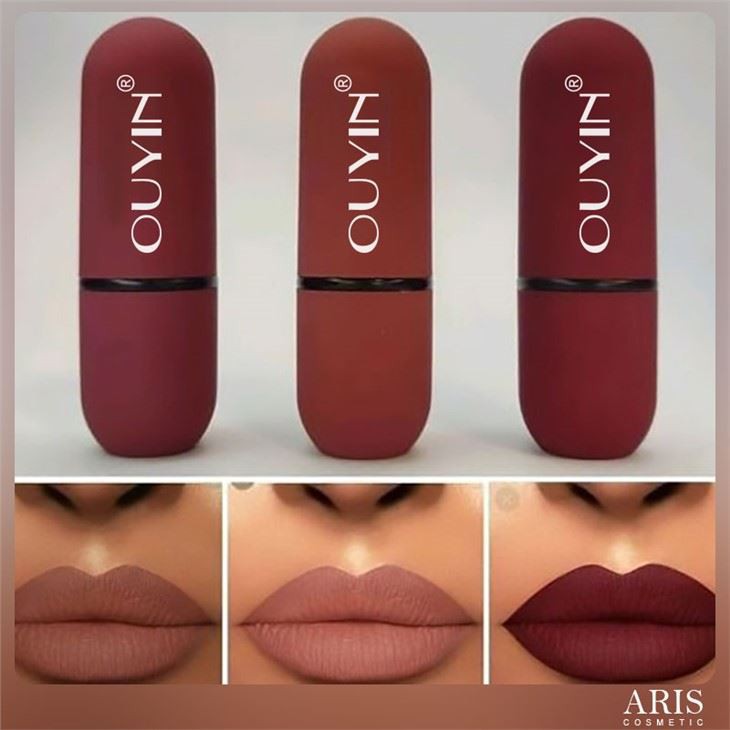
In the 21st century, the lipstick industry has continued to evolve. There is a greater emphasis on innovation, with the development of new formulas such as Colorful Ultra Matte Waterproof Lipstick Cosmetic. This type of lipstick offers long - lasting color, high pigmentation, and a matte finish, which is very popular among consumers who want a bold and modern look.
Another popular product is the 24 hours waterproof Long Lasting Matte Lipstick. It is designed to stay on for an extended period, even through eating, drinking, and kissing. This is ideal for busy women who don't have time to re - apply their lipstick throughout the day.
The Moisturizing Shiny Pigement colorful Lipstick is also in high demand. It combines the benefits of moisturizing ingredients with bright and shiny colors, providing a more natural and healthy - looking lip.
Today, there is a vast array of lipstick colors, finishes, and formulations available to suit every skin tone, occasion, and personal style. From classic reds to trendy nudes, from matte to glossy finishes, the options are endless.
Conclusion
As a lipstick supplier, we are proud to be part of this long and storied history. We understand the importance of quality, innovation, and meeting the diverse needs of our customers. Whether you are looking for a classic red lipstick for a special occasion or a trendy matte lipstick for everyday wear, we have a wide range of products to choose from.
If you are interested in purchasing our high - quality lipsticks, we invite you to contact us for a procurement discussion. We are committed to providing the best products and services to our clients.
References
- "The History of Makeup" by Kathy Peel
- "Cosmetics Through the Ages" by Elizabeth West
- Various historical articles on ancient civilizations and beauty practices