

What is the difference between powder and cream eye shadow?
Oct 20, 2025
Hey there, makeup enthusiasts! As an eye shadow supplier, I've seen and heard it all when it comes to different types of eye shadows. Today, I'm gonna break down the differences between powder and cream eye shadows, so you can make the best choice for your makeup looks.
Texture and Consistency
Let's start with the most obvious difference - texture. Powder eye shadows are, well, powdery. They come in a dry, loose form and are usually housed in palettes or compacts. You can easily pick up the powder with an eyeshadow brush and apply it to your lids. The powder texture allows for easy blending, which is great for creating smooth transitions between different colors.
On the other hand, cream eye shadows have a creamy, almost mousse - like consistency. They're often sold in pots, tubes, or compacts with a more solid - like texture compared to powder. Cream eye shadows are more dense and can be applied with your fingers or a brush. The creamy texture gives a more intense and pigmented look right off the bat.
Pigmentation
When it comes to pigmentation, cream eye shadows usually take the lead. Because of their dense consistency, they can pack a punch in terms of color payoff. A little bit of cream eyeshadow goes a long way, and you can achieve a very vibrant and bold look with just one swipe.
Powder eye shadows, while they can also be highly pigmented, sometimes require a few more layers to reach the same level of intensity. However, powder shadows offer more versatility. You can build up the color gradually, starting with a sheer wash and then adding more for a more dramatic effect. For example, our 9 Colorful Shimmer Waterproof Pigment Eyeshadow Palette has a range of powder shades that can be built up to create a variety of looks, from subtle daytime to intense evening makeup.
Longevity
Longevity is a crucial factor in makeup, especially for eye shadows. Cream eye shadows, when applied correctly, can last a long time. They tend to adhere well to the skin and can resist creasing if you use a good eye primer. However, they can sometimes dry out over time, especially if you don't seal the container properly.
Powder eye shadows are also long - lasting, but they may be more prone to creasing, especially on oily eyelids. To prevent creasing, using an eye primer is a must. Our Waterproof Long Lasting Smoky Highlighter Matte powder eye shadow is formulated to stay put for hours, even on those hot summer days.
Application
Application methods vary greatly between powder and cream eye shadows. Applying powder eye shadow is relatively straightforward. You dip your brush into the powder, tap off the excess, and then gently sweep it across your eyelid. You can use different brushes for different effects - a fluffy brush for blending and a smaller, more precise brush for detailed work.
Cream eye shadow application can be a bit trickier. If you're using your fingers, make sure they're clean. Warm up the product on your fingertips and then pat it onto your eyelid. Using a brush for cream eye shadow can give you more control, especially for more detailed looks. However, you need to be careful not to apply too much pressure, as it can cause the product to clump.
Blending
Blending is where powder eye shadows really shine. Their dry texture allows for seamless blending, making it easy to create soft, gradient looks. You can blend different powder shades together to create custom colors and effects. Whether you're going for a natural, everyday look or a bold, smoky eye, powder eye shadows are your best friend for blending.
Cream eye shadows can be blended, but they require a bit more skill. Once the cream starts to dry, it becomes harder to blend. So, you need to work quickly and use a light hand. If you blend too aggressively, you might end up smudging the product outside of the intended area.
Finish
The finish of powder and cream eye shadows also differs. Powder eye shadows come in a variety of finishes, including matte, shimmer, and glitter. Matte powder eye shadows give a smooth, velvety finish that's great for a more natural or sophisticated look. Shimmer and glitter powder eye shadows add a touch of sparkle and glamour.
Cream eye shadows often have a more wet - looking finish. They can give a dewy, shiny effect, which is perfect for a glamorous or evening look. However, if you're not a fan of the shiny look, you can set cream eye shadow with a powder shadow on top to achieve a more matte finish.
Suitability for Different Skin Types
For oily skin, powder eye shadows are generally a better choice. The dry texture helps to absorb excess oil and can prevent the eye shadow from creasing as quickly. However, it's still important to use an eye primer to keep the powder in place.
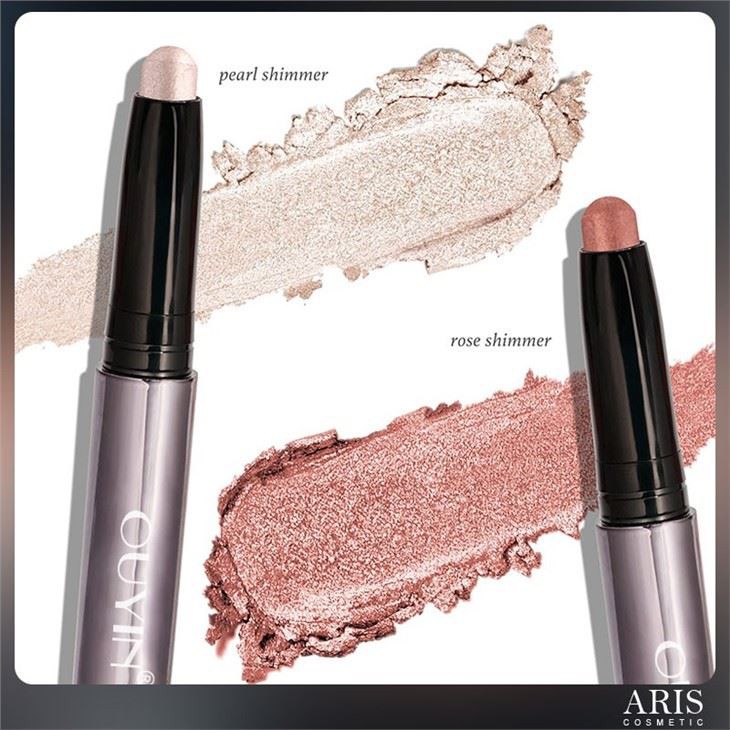
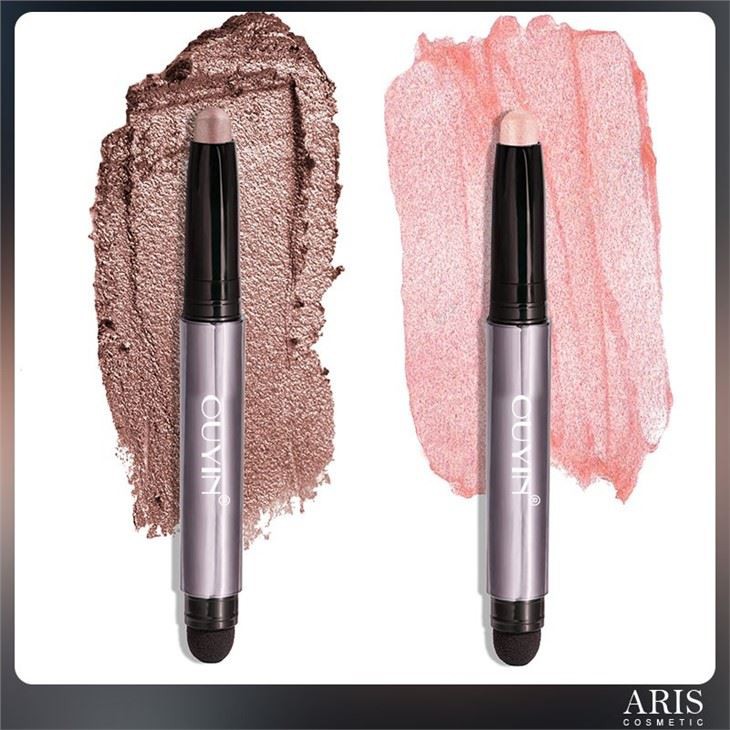
People with dry skin might prefer cream eye shadows. The creamy texture can help to hydrate the skin and prevent the eye shadow from looking patchy. But again, using a primer is essential to ensure longevity.
Cost
In general, powder eye shadows are more cost - effective. They're often sold in palettes with multiple colors, so you get more bang for your buck. You can create a wide range of looks with just one palette.
Cream eye shadows can be a bit more expensive, especially if they're high - end brands. However, since you only need a small amount of cream eye shadow for each application, a single pot can last a long time.
When to Use Each Type
If you're going for a quick, everyday look, powder eye shadows are a great option. They're easy to apply and blend, and you can create a natural look in no time.
For special occasions or a more dramatic look, cream eye shadows can really make your eyes pop. The intense pigmentation and shiny finish can add a touch of glamour to your makeup.
As an eye shadow supplier, I offer a wide range of both powder and cream eye shadows to suit every need and preference. Whether you're a makeup newbie or a seasoned pro, I've got the perfect eye shadow for you.
If you're interested in purchasing our high - quality eye shadows for your business or personal use, I'd love to have a chat with you. Just reach out, and we can discuss your specific requirements and how we can work together.
References
- Professional Makeup Artist's Guide to Eye Shadows
- Makeup Trends and Techniques Magazine