

What is the difference between kohl and eyeliner?
Nov 19, 2025
When it comes to enhancing the eyes, kohl and eyeliner are two popular options that have been used for centuries across different cultures. As an eyeliner supplier, I often encounter questions about the differences between these two products. In this blog post, I'll delve into the distinct characteristics of kohl and eyeliner, exploring their history, composition, application, and effects.
History and Origins
Kohl has a long and rich history that dates back to ancient civilizations. It was first used in Egypt around 4000 BC, where both men and women applied it to their eyes for both cosmetic and practical purposes. Kohl was believed to protect the eyes from the harsh desert sun and was also used in religious ceremonies. The use of kohl spread to other parts of the world, including the Middle East, Asia, and Africa, where it became an integral part of traditional beauty practices.
On the other hand, eyeliner as we know it today has a more recent origin. The modern concept of eyeliner emerged in the early 20th century, influenced by the fashion trends of the time. It gained popularity in the 1920s with the rise of the flapper style, which emphasized bold and dramatic eye makeup. Since then, eyeliner has evolved into a diverse range of products, offering various formulas, colors, and application techniques.
Composition
One of the key differences between kohl and eyeliner lies in their composition. Kohl is typically made from a mixture of natural minerals, such as galena (lead sulfide), antimony, and soot. These ingredients are finely ground into a powder and then mixed with a binding agent, such as beeswax or oil, to create a paste-like consistency. Some traditional kohl recipes also include herbs and spices for their medicinal properties.
In contrast, eyeliner is formulated using a combination of synthetic and natural ingredients. The base of an eyeliner can be water-based, oil-based, or wax-based, depending on the type of product. Water-based eyeliners are lightweight and easy to apply, while oil-based eyeliners offer a more intense color payoff and longer-lasting wear. Wax-based eyeliners, on the other hand, are typically used for creating a more precise and defined line.
Application
The application techniques for kohl and eyeliner also differ. Kohl is traditionally applied using a kohl stick or a small applicator, such as a q-tip or a finger. The paste-like consistency of kohl allows it to be easily smudged and blended, creating a soft and smoky effect. Kohl can be applied along the waterline, on the lash line, or even on the lower lash line for a more dramatic look.
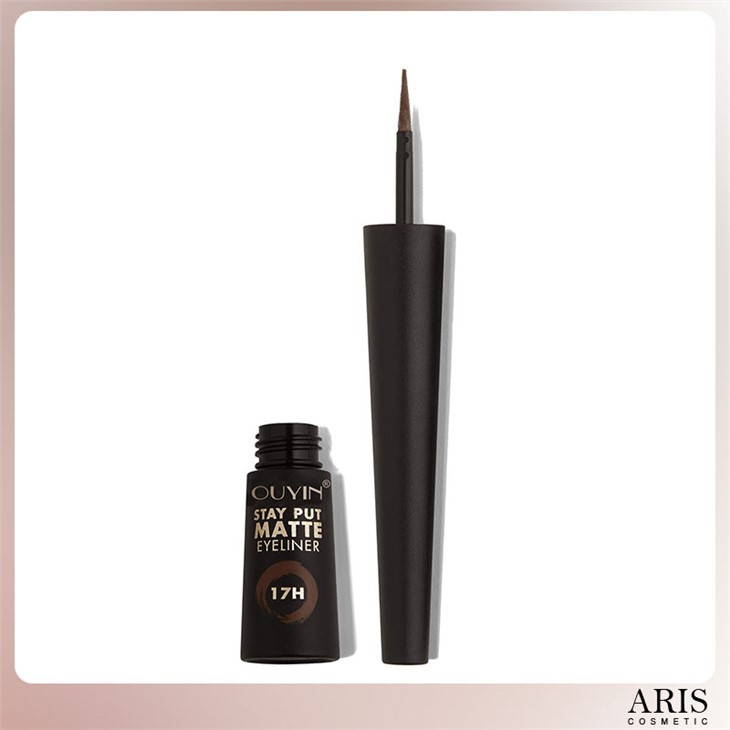
Eyeliner, on the other hand, offers a wider range of application options. Depending on the type of eyeliner, it can be applied using a brush, a pen, or a pencil. Liquid eyeliners, such as the Shiny Liquid Eyeliner, are typically applied using a fine-tipped brush or a pen, allowing for a precise and defined line. Gel eyeliners are applied using an angled brush, while pencil eyeliners are simply sharpened and applied directly to the lash line.
Effects
The effects of kohl and eyeliner also vary. Kohl is known for its ability to create a soft and smoky effect, enhancing the natural shape of the eyes and giving them a more sultry and mysterious look. The smudged and blended appearance of kohl is often associated with a more bohemian or ethnic style.
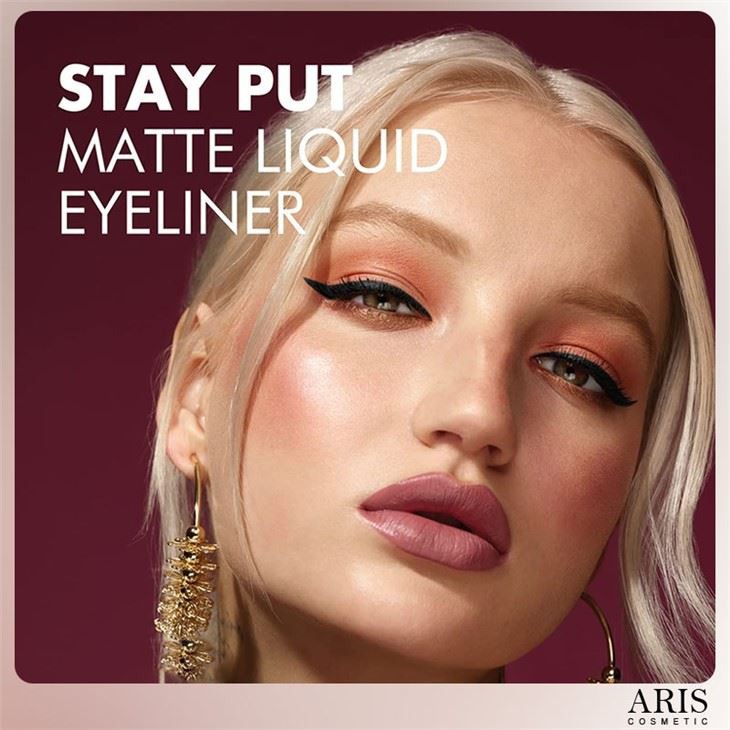
Eyeliner, on the other hand, offers a more versatile range of effects. It can be used to create a thin and subtle line for a natural look, or a bold and dramatic line for a more glamorous or edgy look. Liquid eyeliners, such as the Matte Waterproof Liquid Eyeliner Pen Long Lasting, are particularly popular for creating a sharp and precise line, while pencil eyeliners are great for creating a more smudged and smoky effect.
Color Options
Both kohl and eyeliner come in a variety of colors, but the color options for eyeliner are generally more extensive. Kohl is traditionally available in black or brown, although some modern kohl products may offer additional colors, such as blue or green.
Eyeliner, on the other hand, offers a wide range of colors, including black, brown, blue, green, purple, and even metallic shades. This allows for more creativity and experimentation when it comes to eye makeup. For example, you can use a Dark Blue Liquid Eyeliner Color to create a bold and colorful look, or a metallic eyeliner to add a touch of glamour to your makeup.
Longevity
Another important factor to consider when choosing between kohl and eyeliner is their longevity. Kohl has a tendency to smudge and fade throughout the day, especially if it is not set properly. This is because the paste-like consistency of kohl makes it more prone to transfer and smudging.
Eyeliner, on the other hand, offers better longevity, especially if you choose a waterproof or long-lasting formula. Water-based eyeliners may require touch-ups throughout the day, but oil-based and wax-based eyeliners tend to stay in place for longer periods of time. Liquid eyeliners, in particular, are known for their long-lasting wear and resistance to smudging and fading.
Conclusion
In conclusion, kohl and eyeliner are two distinct products with their own unique characteristics, history, composition, application techniques, and effects. While kohl offers a more traditional and natural approach to eye makeup, eyeliner provides a wider range of options and effects, making it a more versatile choice for modern makeup looks.
As an eyeliner supplier, I offer a diverse range of high-quality eyeliner products to meet the needs of different customers. Whether you're looking for a bold and dramatic look or a subtle and natural look, I have the perfect eyeliner for you. If you're interested in learning more about our products or would like to discuss your specific requirements, please don't hesitate to contact me for a procurement洽谈. I look forward to hearing from you!
References
- "History of Makeup: Kohl" by Makeup.com
- "The Evolution of Eyeliner" by Allure Magazine
- "Kohl vs. Eyeliner: What's the Difference?" by Byrdie