

Is it safe to use lip balm with parabens?
Nov 13, 2025
In the world of lip care, lip balm is a staple for many, offering relief from dryness and protection against the elements. As a lip balm supplier, I've witnessed the growing concern among consumers about the ingredients in their lip products, especially parabens. This blog aims to explore the question: Is it safe to use lip balm with parabens?
Understanding Parabens
Parabens are a group of chemicals commonly used as preservatives in cosmetics, including lip balms. They are effective at preventing the growth of bacteria, mold, and yeast, which helps to extend the shelf life of products. The most commonly used parabens in cosmetics are methylparaben, ethylparaben, propylparaben, and butylparaben.
The use of parabens in cosmetics dates back to the 1920s, and they have been extensively studied for their safety. According to the Cosmetic Ingredient Review (CIR), an independent expert panel that evaluates the safety of cosmetic ingredients, parabens are safe for use in cosmetics at the current levels of exposure. The CIR has set limits on the concentration of parabens that can be used in cosmetics, and these limits are designed to ensure that the products are safe for consumers.
The Controversy Surrounding Parabens
Despite the safety assessments by regulatory bodies, there has been some controversy surrounding the use of parabens in cosmetics. Some studies have suggested that parabens may have estrogenic activity, which means that they can mimic the effects of the hormone estrogen in the body. Estrogen is involved in many biological processes, including the development and function of the reproductive system, and abnormal levels of estrogen can have negative health effects.
One of the main concerns about parabens is their potential link to breast cancer. Some studies have found parabens in breast tissue samples, leading to speculation that they may play a role in the development of breast cancer. However, it's important to note that the presence of parabens in breast tissue does not necessarily mean that they are causing cancer. There are many other factors that can contribute to the development of breast cancer, and more research is needed to determine the exact role of parabens in this disease.
Another concern about parabens is their potential impact on the endocrine system. The endocrine system is a network of glands that produce and secrete hormones, which regulate many bodily functions. Some studies have suggested that parabens may disrupt the normal function of the endocrine system, leading to hormonal imbalances and other health problems. However, the evidence for this is still limited, and more research is needed to fully understand the potential effects of parabens on the endocrine system.
Safety of Parabens in Lip Balm
When it comes to lip balm, the safety of parabens depends on several factors, including the type and concentration of parabens used, the frequency and duration of use, and the individual's sensitivity to these chemicals. In general, the levels of parabens used in lip balms are well below the limits set by regulatory bodies, and the risk of adverse effects is considered to be low.
However, some people may be more sensitive to parabens than others, and they may experience allergic reactions or other skin problems when using products containing these chemicals. If you have sensitive skin or a history of allergic reactions, it's important to read the ingredient labels carefully and choose lip balms that are free of parabens or other potential allergens.
It's also worth noting that lip balms are typically applied to the lips, which are a highly absorbent area of the body. This means that the ingredients in lip balms can be absorbed into the bloodstream more easily than those in other cosmetics. As a result, some people may be concerned about the potential for parabens to accumulate in the body over time. However, the available evidence suggests that the levels of parabens absorbed from lip balms are very low, and the risk of accumulation is considered to be minimal.
Alternatives to Parabens
If you're concerned about the use of parabens in lip balm, there are several alternatives available. Many natural and organic lip balms are formulated without parabens, using natural preservatives such as vitamin E, rosemary extract, and grapefruit seed extract. These natural preservatives are effective at preventing the growth of bacteria and mold, and they are generally considered to be safe for use in cosmetics.
In addition to natural preservatives, there are also many other ingredients that can be used to keep lip balms fresh and safe. For example, some lip balms contain antioxidants, which help to prevent the oxidation of the oils and waxes in the product, and antimicrobial agents, which help to prevent the growth of bacteria and fungi.
Our Lip Balm Products
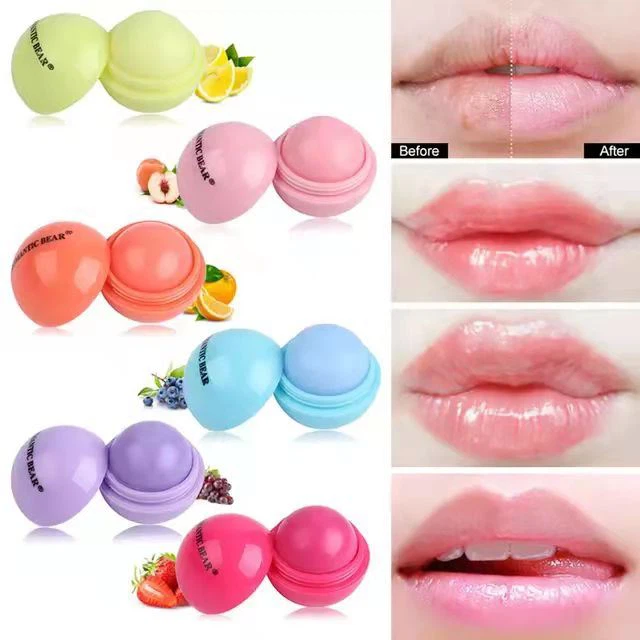
As a lip balm supplier, we understand the concerns of our customers about the ingredients in their lip products. That's why we offer a range of lip balms that are formulated without parabens, using natural and organic ingredients. Our lip balms are designed to provide long-lasting moisture and protection for the lips, while also being gentle and safe for all skin types.
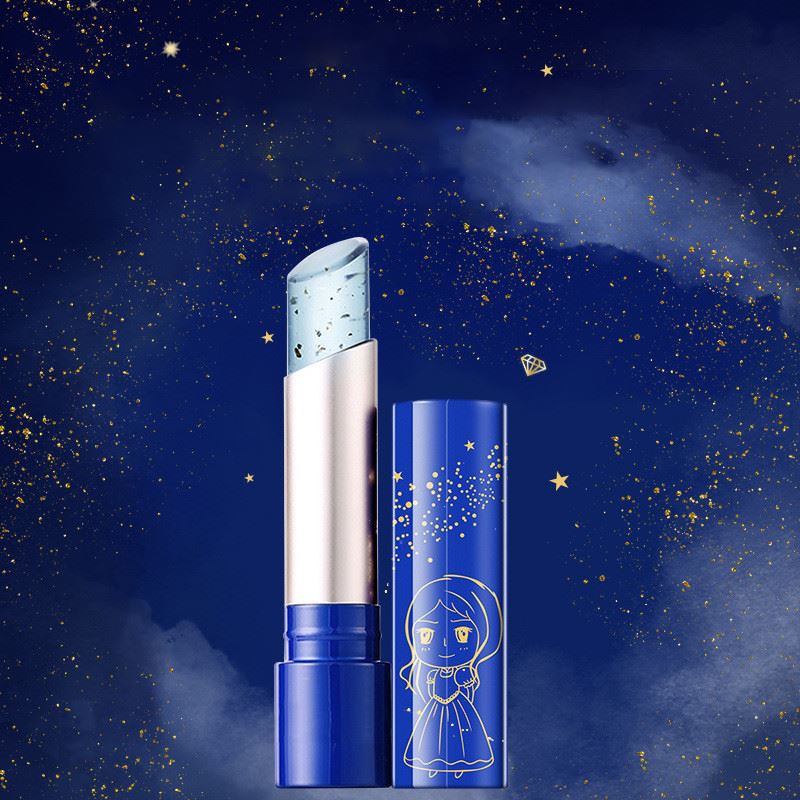
One of our popular products is the Color Changing Crystal Lip Balm, which contains natural pigments that react with the pH of your lips to create a unique, personalized color. This lip balm is formulated with shea butter, beeswax, and vitamin E, which help to moisturize and protect the lips, and it's free of parabens, synthetic fragrances, and dyes.
Another popular product is the Aloe Color Changing Lip Balm, which contains aloe vera extract, a natural ingredient that is known for its soothing and healing properties. This lip balm is also formulated with natural pigments that react with the pH of your lips to create a custom color, and it's free of parabens, synthetic fragrances, and dyes.
If you're looking for a lip balm that changes color with temperature, we also offer the Temperature Change Lip Balm. This lip balm contains thermochromic pigments, which change color depending on the temperature of your lips. It's formulated with shea butter, beeswax, and vitamin E, which help to moisturize and protect the lips, and it's free of parabens, synthetic fragrances, and dyes.
Conclusion
In conclusion, the safety of using lip balm with parabens is a complex issue that depends on several factors. While the available evidence suggests that the levels of parabens used in lip balms are generally safe, some people may be more sensitive to these chemicals and may prefer to use products that are free of parabens. As a lip balm supplier, we offer a range of lip balms that are formulated without parabens, using natural and organic ingredients, to meet the needs of our customers.
If you're interested in learning more about our lip balm products or would like to place an order, please don't hesitate to contact us. We're always happy to answer your questions and help you find the perfect lip balm for your needs.
References
- Cosmetic Ingredient Review (CIR). Final Report on the Safety Assessment of Methylparaben, Ethylparaben, Propylparaben, and Butylparaben. Journal of the American College of Toxicology, 1984, 3(6): 1-34.
- Darbre, P.D. and Harvey, P.W. Concentrations of parabens in human breast tumours. Journal of Applied Toxicology, 2004, 24(6): 5-13.
- Golden, N.H., Abrams, S.A., Daniels, S.R., et al. Pediatric Obesity. Pediatrics, 2006, 118(5): 2229-2253.
- National Toxicology Program (NTP). NTP Monograph on the Potential Human Health Risks Associated with the Use of Parabens in Cosmetics. National Institute of Environmental Health Sciences, 2010.