

How does lip balm affect lip sensitivity?
Jan 07, 2026
Lip balm is a common and essential product for many people, especially during harsh weather conditions or when the lips feel dry and chapped. As a lip balm supplier, I've had numerous inquiries about how lip balm affects lip sensitivity. In this blog post, I'll delve into the scientific aspects of this matter, explore the factors at play, and share the details of our lip balm products.
Understanding Lip Sensitivity
Before discussing how lip balm affects lip sensitivity, it's crucial to understand what lip sensitivity is. The lips are composed of a thin layer of skin, and they lack the protective layer of melanin that other parts of the skin possess. This makes them more vulnerable to environmental factors such as cold, wind, and UV rays. Lip sensitivity can manifest in various ways, including dryness, cracking, itching, redness, and a burning or tingling sensation.
Several factors can influence lip sensitivity. Genetics play a role; some individuals are simply born with more sensitive lips. Lifestyle habits also matter. For example, persistent lip - licking can strip the lips of their natural moisture, making them more sensitive. Diet deficiencies, especially in vitamins like B2, B3, B6, and B12, can also contribute to lip sensitivity.
The Role of Lip Balm in Protecting the Lips
Lip balm, in essence, is designed to create a barrier on the lips, preventing moisture loss and protecting them from external factors. Most lip balms contain emollients, occlusives, and humectants. Emollients, such as shea butter and cocoa butter, help to smooth the lips by filling in the spaces between the skin cells. Occlusives, like beeswax and petrolatum, form a physical barrier on the lips, reducing the evaporation of moisture. Humectants, such as glycerin, attract and hold water to the lips, keeping them hydrated.
Impact of Lip Balm on Lip Sensitivity
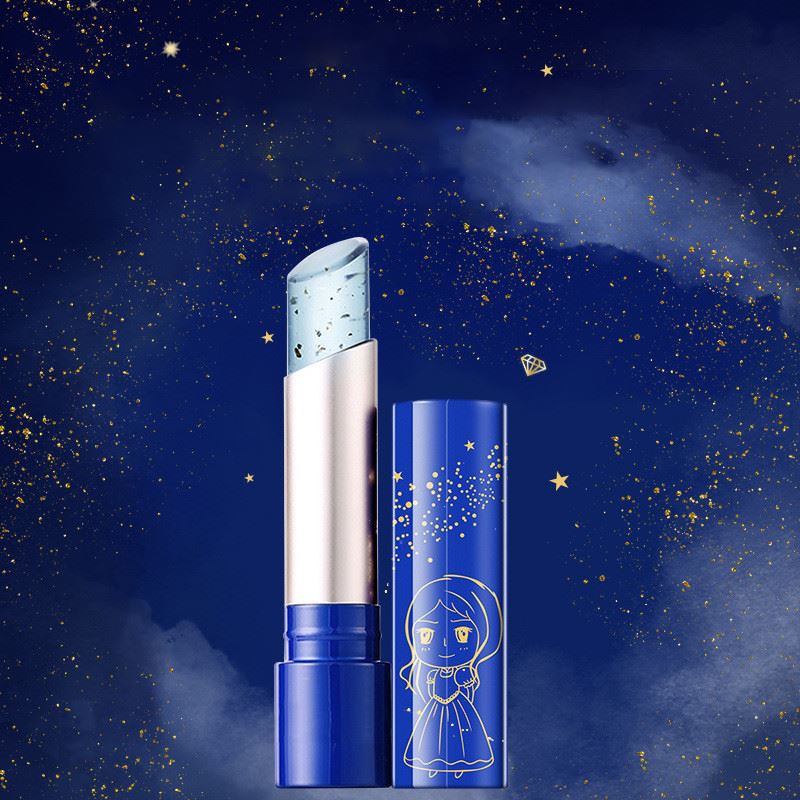
When used correctly, lip balm can have a positive impact on lip sensitivity. By providing moisture and protection, it can alleviate symptoms associated with sensitive lips. For instance, if a person's lips are dry and chapped due to cold weather, applying a good - quality lip balm can soothe the irritation and prevent further damage. Our Color Changing Crystal Lip Balm is formulated with natural ingredients that not only protect the lips but also add a touch of color. The natural emollients in it work to keep the lips soft and reduce sensitivity.
However, the wrong type of lip balm can sometimes exacerbate lip sensitivity. Some lip balms may contain harsh chemicals, fragrances, and artificial flavors. These ingredients can be irritating to sensitive lips. For example, menthol, often added to create a cooling sensation, can cause a burning or tingling feeling in people with very sensitive lips. Some dye components used in colored lip balms can also be allergenic.

Our Lip Balm Range and Sensitivity
We offer a diverse range of lip balms, each carefully formulated to address different needs, especially when it comes to lip sensitivity. Our Aloe Color Changing Lip Balm contains aloe vera, which is well - known for its soothing and anti - inflammatory properties. Aloe vera can help to calm irritated lips and reduce redness and swelling. It is an excellent option for those with sensitive lips who still want a bit of color on their lips.
The Temperature Change Lip Balm is another unique product in our lineup. It changes color based on the temperature, adding a fun element to lip care. Although it has a special feature, we've made sure to use gentle and natural ingredients to ensure that it does not cause any additional sensitivity.
Long - term Effects of Lip Balm Use on Lip Sensitivity
There is a common concern that long - term use of lip balm can make the lips dependent on it, increasing lip sensitivity. However, this is not entirely true. When using a high - quality, natural lip balm, the lips are actually getting proper care and protection. Over time, the lips can become healthier and less sensitive as they become better hydrated and less exposed to harmful environmental factors.
On the other hand, if a person uses a low - quality lip balm with irritating ingredients, it can cause chronic irritation. This can lead to a cycle where the lips become increasingly sensitive and more reliant on the lip balm to relieve the discomfort. This is why we emphasize the importance of using natural and carefully formulated lip balms like ours.
Choosing the Right Lip Balm for Sensitive Lips
When choosing a lip balm for sensitive lips, there are several things to consider. First, look for products with natural ingredients. Ingredients like coconut oil, jojoba oil, and beeswax are gentle and nourishing for the lips. Avoid lip balms with artificial fragrances, dyes, and harsh chemicals.
Second, consider the texture. A thicker, more emollient lip balm may be better for very dry and sensitive lips as it provides a stronger barrier. However, if your lips are only slightly sensitive, a lighter - textured lip balm may be sufficient.
Conclusion
In conclusion, lip balm can have both positive and negative effects on lip sensitivity, depending on the product's formulation and the individual's lip condition. As a lip balm supplier, we are committed to providing high - quality, natural lip balms that protect and nourish the lips without causing irritation. Our Color Changing Crystal Lip Balm, Aloe Color Changing Lip Balm, and Temperature Change Lip Balm are all designed with the well - being of your lips in mind.
If you're interested in our lip balm products, whether you're a retailer looking to stock up or an individual interested in bulk purchasing, we'd love to have a discussion with you. Reach out to us to start a procurement negotiation and discover how our lip balms can meet your needs.
References
- Grove, G.L. "Skin Biophysics of the Lips: Physiology, Anatomic, and Textural Characteristics." Dermatologic Clinics.
- Huether, S.E., & McCance, K.L. Understanding Pathophysiology. Elsevier.
- Williams, H.C., et al. "Textbook of Dermatology." Wiley - Blackwell.