

How does a foundation work?
Jan 13, 2026
A foundation is not just a cosmetic product; it's a key player in the world of makeup that can transform a person's complexion and boost their confidence. As a foundation supplier, I've had the privilege of delving deep into how foundations work and sharing the knowledge with beauty enthusiasts and makeup professionals alike. In this blog post, I'll take you on a journey through the science and art of foundation, exploring its types, application methods, and the factors that make it a must - have in any makeup collection.
Understanding the Basics of Foundation
Foundation serves as the base for your makeup look. Its primary function is to even out skin tone, cover imperfections such as blemishes, dark circles, and uneven pigmentation, and create a smooth canvas for the rest of your makeup. It can also provide a layer of protection and moisture to the skin.
There are three main categories of foundation products that I commonly supply: liquid, powder, and cream. Each type has its own unique characteristics, but in this post, we'll focus on the most popular one - liquid foundation. Liquid foundations are versatile, offering a range of finishes from matte to dewy, and can be easily adjusted to match different skin types and undertones.
Types of Liquid Foundation and Their Mechanisms
Ultra Cover Liquid Matt Foundation
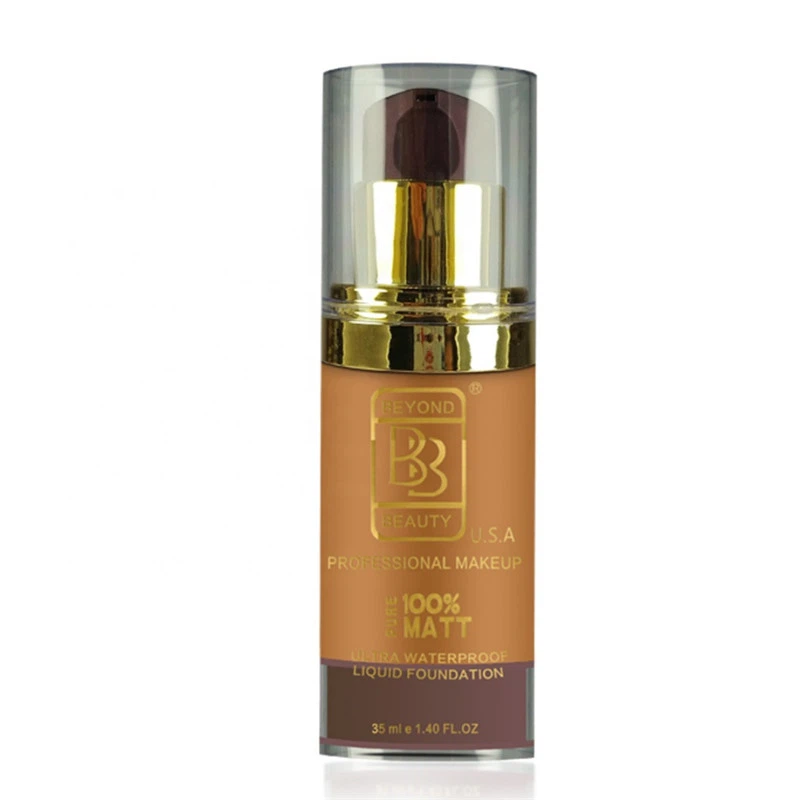
The Ultra Cover Liquid Matt Foundation is a game - changer for those with oily or combination skin. This type of foundation works by using special ingredients formulated to control oil production on the skin's surface. The pigments in the foundation are finely milled, allowing them to blend seamlessly with the skin and create a high - coverage finish.
One of the key components in this foundation is silica. Silica is an absorbent mineral that soaks up excess sebum, giving the skin a matte appearance. It also helps to prevent the foundation from sliding off or looking greasy throughout the day. Additionally, this foundation often contains polymers that form a film on the skin. This film not only locks in the pigments but also provides a long - lasting hold, ensuring that your makeup stays intact for hours.
Moisture Liquid Foundation
On the other end of the spectrum, the Moisture Liquid Foundation is designed for dry or normal skin. It focuses on hydrating and nourishing the skin while providing a natural - looking coverage. The formulation of this foundation typically includes emollients, humectants, and hyaluronic acid.
Emollients, such as natural oils and butters, help to soften and smooth the skin, reducing the appearance of fine lines and dry patches. Humectants, like glycerin, attract moisture from the environment and hold it in the skin. Hyaluronic acid is a powerhouse ingredient that can hold up to 1000 times its weight in water. It plumps the skin, giving it a dewy and youthful look. When applied, the Moisture Liquid Foundation melts into the skin, providing a seamless and radiant finish.
Liquid Vegan Foundation
The Liquid Vegan Foundation caters to consumers who are not only concerned about their appearance but also about the ethical and environmental aspects of their makeup. This foundation is formulated without any animal - derived ingredients or by - products.
Instead of using traditional animal - based ingredients like lanolin or beeswax, it relies on plant - based alternatives. For example, candelilla wax can be used as a substitute for beeswax to provide the foundation with a creamy texture and good spreadability. The pigments in a vegan foundation are often sourced from minerals and plants, which are not only cruelty - free but also gentle on the skin. This type of foundation works in a similar way to other liquid foundations, providing coverage and enhancing the skin's appearance, while also aligning with the values of the vegan community.
The Application Process
Applying foundation correctly is crucial to achieving a flawless finish. Here are the general steps:
1. Prepare the Skin
Before applying foundation, it's important to cleanse, tone, and moisturize your skin. This creates a clean and hydrated surface for the foundation to adhere to. Use a primer if you have specific skin concerns, such as large pores or excessive oiliness. A primer can help the foundation last longer and create a smoother finish.
2. Choose the Right Shade
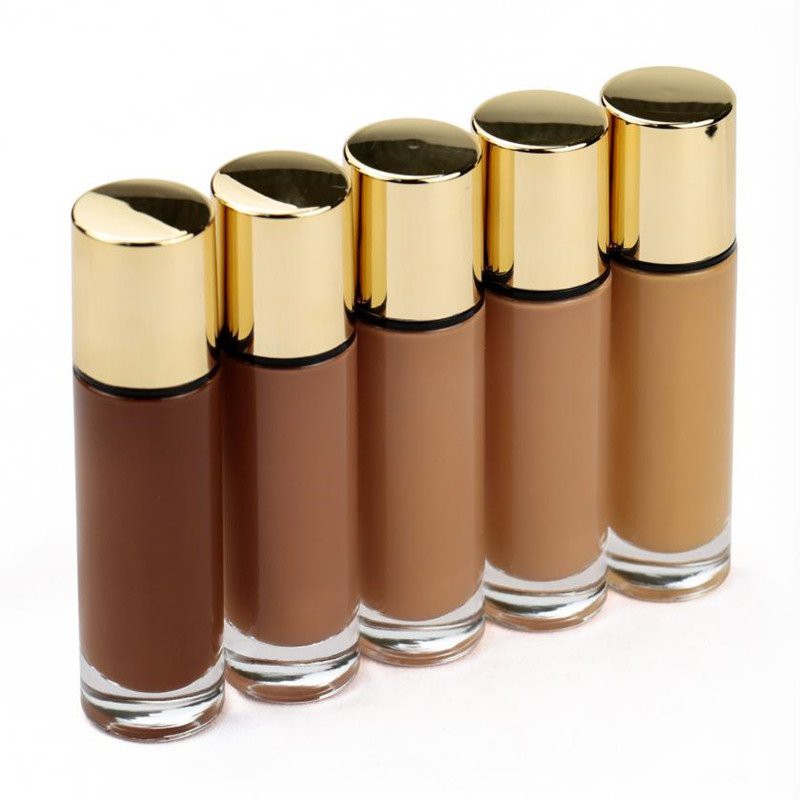
Selecting the right shade of foundation is essential. Your foundation should match your natural skin tone as closely as possible. Test the foundation on your jawline to ensure it blends seamlessly with your skin.
3. Apply the Foundation
There are several tools you can use to apply foundation, including brushes, sponges, and your fingers.
- Brushes: A flat - topped foundation brush is great for applying a medium - to - full coverage foundation. Dip the brush into the foundation and then buff it onto the skin using circular motions. The bristles of the brush help to distribute the foundation evenly and can add a bit of airiness to the finish.
- Sponges: Beauty sponges, like the popular damp Beautyblender, are ideal for achieving a more natural, dewy finish. The dampness of the sponge helps to blend the foundation seamlessly into the skin, minimizing the appearance of streaks or lines.
- Fingers: Using your fingers is the most natural way to apply foundation. The warmth of your fingers can help the foundation melt into the skin, giving a more organic finish. However, it may not be as precise as using brushes or sponges.
4. Blend
Blending is the key to a flawless foundation application. Make sure to blend the foundation into your hairline, jawline, and neck to avoid a harsh line of demarcation. Pay special attention to areas like the nostrils and around the eyes.
Factors Affecting Foundation Performance
Several factors can influence how well a foundation works on the skin. One of the most important is skin type. As mentioned earlier, oily skin requires a different type of foundation than dry skin. Other factors include:
- Climate: In hot and humid climates, a long - lasting, oil - controlling foundation may be more suitable. In contrast, in cold and dry climates, a moisturizing foundation is a better choice.
- Time of Day: If you're applying makeup for a night out, you may want a more long - lasting and high - coverage foundation. For daytime wear, a lighter, natural - looking foundation may be more appropriate.
- Lifestyle: Active individuals may need a foundation that can withstand sweating and movement. Those with a more sedentary lifestyle may have more flexibility in choosing a foundation based on their desired finish.
Conclusion
Foundation is a complex yet fascinating product that combines science and art. Understanding how it works, from its formulation to the application process, can help you choose the right foundation for your needs and achieve a flawless makeup look. Whether you're looking for a matte finish, extra moisture, or a vegan option, the Ultra Cover Liquid Matt Foundation, Moisture Liquid Foundation, and Liquid Vegan Foundation that I supply offer a wide range of choices.
If you're a retailer, makeup artist, or beauty brand looking to source high - quality foundation products, I'd love to discuss your procurement needs. Contact me to start a conversation about how we can work together to meet your requirements.
References
- "The Science of Makeup" by Andrea Kawooya
- "Cosmetics: Science and Technology" by Miyako Nishioka and Thomas L. Dawson