

Can blushing be a reaction to spicy food?
Oct 23, 2025
Can blushing be a reaction to spicy food?
Blushing is a common physiological phenomenon that often occurs in social situations due to embarrassment, shyness, or other strong emotions. However, have you ever wondered if blushing can also be a reaction to spicy food? As a professional blush supplier, I've delved into this interesting topic to understand the connection between spicy food and blushing.
The Science Behind Blushing
Before we explore the link with spicy food, let's first understand what causes blushing. Blushing is the result of the body's autonomic nervous system response. When a person experiences an emotional trigger, such as embarrassment or excitement, the sympathetic nervous system is activated. This causes the blood vessels in the face, particularly those in the cheeks, to dilate. As more blood flows into these vessels, the cheeks turn red, giving the appearance of a blush.
This physiological response is not only a visible sign of our internal emotional state but also has evolutionary significance. It is thought to be a form of non - verbal communication, showing that we are aware of a social norm violation or a potentially embarrassing situation.
Spicy Food and the Body's Response
Spicy food contains a compound called capsaicin. Capsaicin is the active component in chili peppers that gives them their characteristic heat. When we consume spicy food, capsaicin binds to a receptor called TRPV1 (transient receptor potential vanilloid 1) in our mouths and throats. TRPV1 is a non - selective cation channel that is sensitive to heat, protons, and capsaicin.
Once capsaicin binds to TRPV1, it sends a signal to the brain, which interprets it as a burning sensation. In response, the body initiates a series of physiological reactions to try and cool down. These reactions include sweating, increased heart rate, and dilation of blood vessels.
Can Spicy Food Cause Blushing?
The answer is yes. The dilation of blood vessels caused by the body's response to capsaicin can extend to the blood vessels in the face. Just like when we experience strong emotions, the increased blood flow to the facial blood vessels can lead to a red, flushed appearance, which is essentially a form of blushing.
When we eat spicy food, the body perceives the capsaicin as a threat, similar to how it might respond to a high - temperature environment. To dissipate the perceived heat, the body increases blood flow to the skin's surface, including the face. This increased blood flow is what causes the cheeks to turn red, mimicking the blushing that occurs during emotional arousal.
Individual Variations
Not everyone blushes when they eat spicy food. There are several factors that can influence whether a person will blush in response to spicy food. One of the main factors is the individual's sensitivity to capsaicin. Some people have a higher tolerance for spicy food and may not experience as strong a reaction to capsaicin. Their TRPV1 receptors may be less sensitive, or they may have developed a tolerance over time through regular consumption of spicy food.
Genetics also play a role. Some people may have a genetic predisposition to blushing more easily, whether it's due to emotional triggers or spicy food. Additionally, factors such as age, gender, and overall health can affect how a person's body responds to capsaicin.
The Role of Blush in Makeup
As a blush supplier, I'm well - aware of the importance of blush in makeup. Blush is used to add color and dimension to the face, mimicking the natural flush that occurs during physical activity, emotional arousal, or in response to spicy food.
Our Coverage Lightweight Matte Finish Pressed Powder Foundation provides a smooth base for applying blush. It has a lightweight formula that allows the natural color of the blush to shine through, creating a more realistic and healthy - looking complexion.
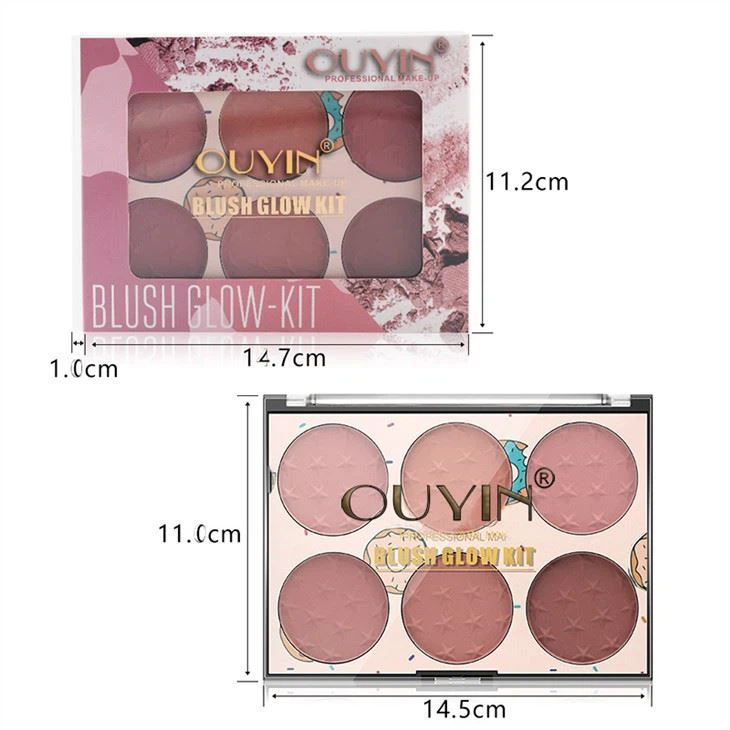
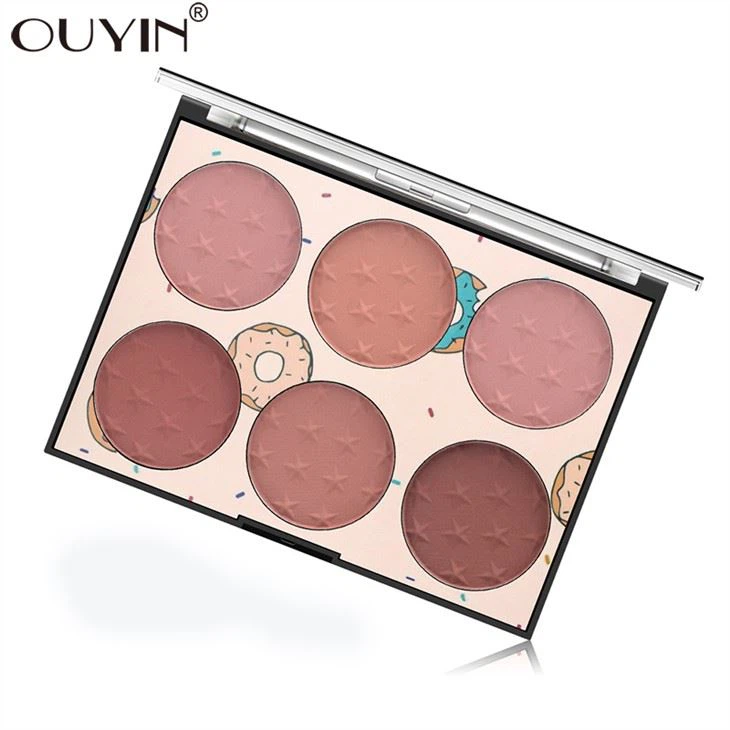
For those who prefer a more versatile option, our Six - color Natural Lasting Rouge blush Palette offers a range of colors to suit different skin tones and makeup looks. Whether you want a subtle pink for a natural look or a bold red for a more dramatic effect, this palette has you covered.
Another popular product in our lineup is the Powder Blush Paletter. It is highly pigmented and easy to blend, making it perfect for creating a long - lasting and natural - looking blush.
The Connection between Natural Blushing and Makeup Blush
The natural blushing that occurs in response to spicy food or emotions can serve as inspiration for makeup artists and consumers. When applying blush, the goal is often to achieve a look that mimics the natural flush of the skin. By understanding the physiological process behind natural blushing, we can better apply makeup blush to create a more realistic and flattering look.
For example, when applying blush, it's important to follow the natural contour of the cheeks. Just like when we blush naturally, the color should be concentrated on the apples of the cheeks and gradually blend outwards. This creates a more natural and healthy - looking appearance.
Conclusion
In conclusion, blushing can indeed be a reaction to spicy food. The compound capsaicin in spicy food triggers a physiological response in the body that can lead to the dilation of blood vessels in the face, resulting in a red, flushed appearance. While not everyone experiences this reaction, it is a common phenomenon for many.
As a blush supplier, we are committed to providing high - quality blush products that can help you achieve a natural and beautiful look, whether you're trying to mimic the blush caused by spicy food or enhance your natural complexion.
If you're interested in our products and would like to discuss procurement, please feel free to reach out. We look forward to working with you to meet your blush needs.
References
- Caterina, M. J., Schumacher, M. A., Tominaga, M., Rosen, T. A., Levine, J. D., & Julius, D. (1997). The capsaicin receptor: a heat - activated ion channel in the pain pathway. Nature, 389(6653), 816 - 824.
- Drummond, P. D. (2005). The physiology of blushing. Experimental Physiology, 90(3), 335 - 343.